REVIEW · TROMSO
Tromsø: Lyngen Horse Stud Farm Visit
Book on GetYourGuide →Operated by Tromsø Lyngshest · Bookable on GetYourGuide
Tromsø swaps city noise for horses and sea air. On Tromsø’s oldest stud farm, you meet mares, stallions, and foals while learning how the Lyngen horse shaped Northern Norwegian life. What I like most is the chance for an optional ride if conditions are right, plus how relaxed the pace feels on the farm. One thing to think about: there’s no hotel pickup, and riding depends on the weather.
I also appreciate the small-group setup, capped at 8 people, which makes it easier to follow safety instructions and actually talk with the guide. In the reviews, names like Kiki and Meera come up, and the vibe sounds practical and friendly—more “helpful farm morning” than tourist performance.
In This Review
- Key things I’d put on your radar
- Where Tromsø Lyngshest starts (and how to find it fast)
- The 2-hour flow: what happens from arrival to viewpoints
- Why that matters to you
- The main practical consideration
- Meet the Lyngen horses: foals, stallions, and the calm that’s earned
- Names you might hear in your session
- The history lesson you’ll actually remember
- Why WWII preservation is a meaningful detail
- Optional horse riding: fun if conditions allow, and never a pressure point
- Safety comes before excitement
- Safety rules you should take seriously (and why it’s a good sign)
- If you’re traveling with kids
- If allergies are an issue
- Price and value: what $188 buys you in Tromsø terms
- Who this is best for (and who might skip it)
- A few practical tips before you go
- Should you book Tromsø Lyngshest?
- FAQ
- Where is the meeting point?
- How long is the visit?
- Is horse riding included?
- What languages will the guide speak?
- Is the group size small?
- What are the weight limits?
- Do I need to follow safety rules?
Key things I’d put on your radar
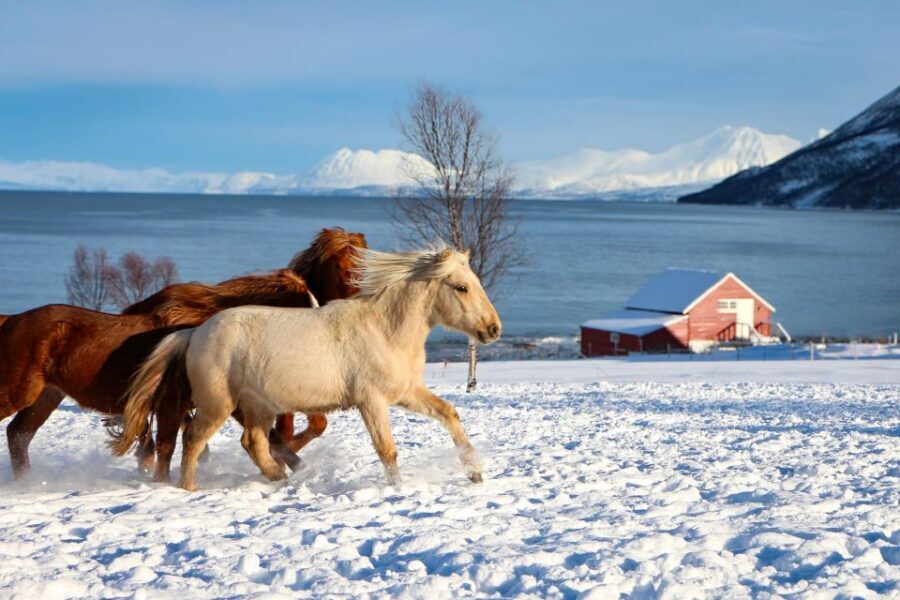
- Tromsø’s oldest Lyngen horse stud farm: up close with a working breeding tradition, not a show.
- Mares with foals, stallions, and playful youngsters: you see the herd as it really is.
- Lyngshorse history you can picture: how people used the horses over time, including preservation during WWII.
- Optional horse riding (not mandatory): you only ride if weather allows.
- Safety rules you sign for: weight limit is 95 kg / 209 lbs and you must follow farm instructions.
- No hotel pickup: you need your own transport to Tromsø Lyngshest at Ullstindvegen 1279.
Where Tromsø Lyngshest starts (and how to find it fast)
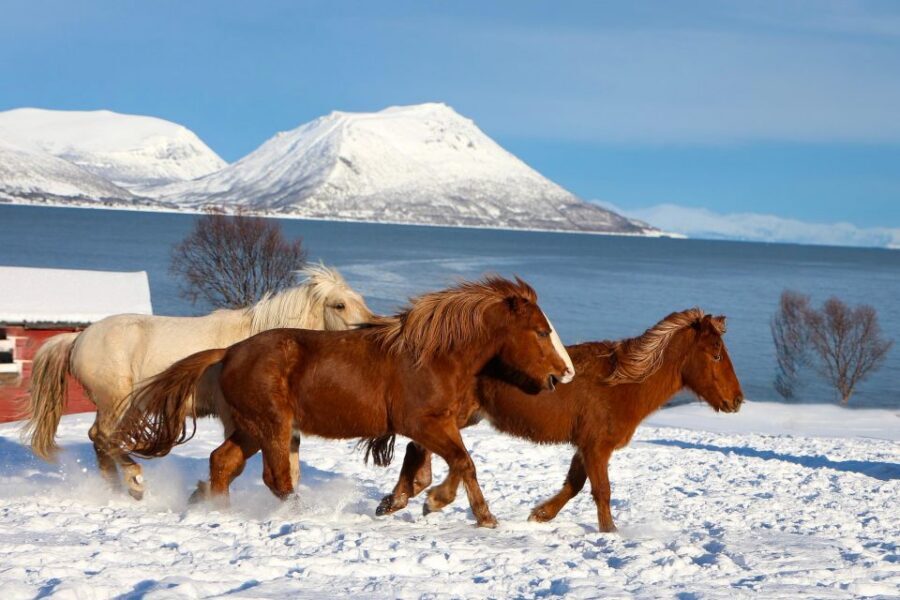
You meet your guide right at Tromsø Lyngshest, at Ullstindvegen 1279, 9023 Krokelvdalen. The directions are simple but important: look for the red farm building on your right hand. If you arrive a few minutes early, you’ll get your bearings without rushing.
A quick practical note: this isn’t a pickup-and-drop tour. That matters in Tromsø, where timing and weather can get chaotic. Plan for your own trip to the farm site, and keep a little buffer so you’re not sprinting through cold wind with your gloves half-on.
Inside the farm visit, you’ll be with a live guide in Norwegian or English, depending on your group. With a group size limited to 8, the guide can keep an eye on where everyone is and how you’re handling space around horses.
Other Lyngen Alps tours from Tromso

The 2-hour flow: what happens from arrival to viewpoints
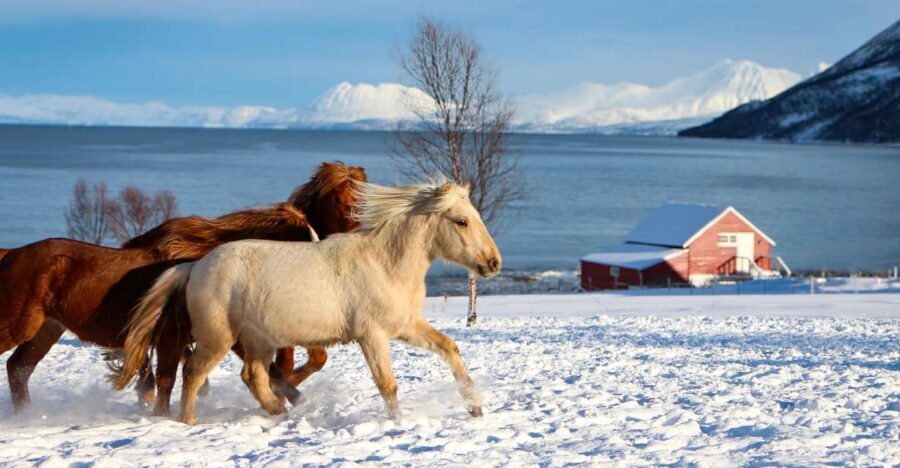
The visit runs about 2 hours total. You’ll start at the farm, then move through the property and nearby viewpoint areas with your guide. You’ll also get the chance for scenic stopping points along the way—think snowy Tromsø atmosphere with open views, sea air, and a lot of quiet sky.
What makes this part feel worthwhile is that it doesn’t treat the horses like a single photo stop. Instead, you’re set up to learn while you look. The guide points out the horses you’re seeing—mares with foals, strong-looking stallions, and youngsters that still have that extra energy—and connects them to how this breed has been used and protected over the years.
Why that matters to you
If you’ve visited farms before, you might know the usual pattern: arrive, pet a horse, leave. Here, the added time with guidance changes the whole experience. You’re not just watching animals; you’re building context about why the breed exists in this area and how people kept it going through difficult decades.
The main practical consideration
This is an outdoor-first experience, so conditions matter. Even if you’re not riding, the cold and wind affect how long you can comfortably stand and walk at a farm pace. Dress for that reality, and you’ll enjoy it a lot more.
Meet the Lyngen horses: foals, stallions, and the calm that’s earned
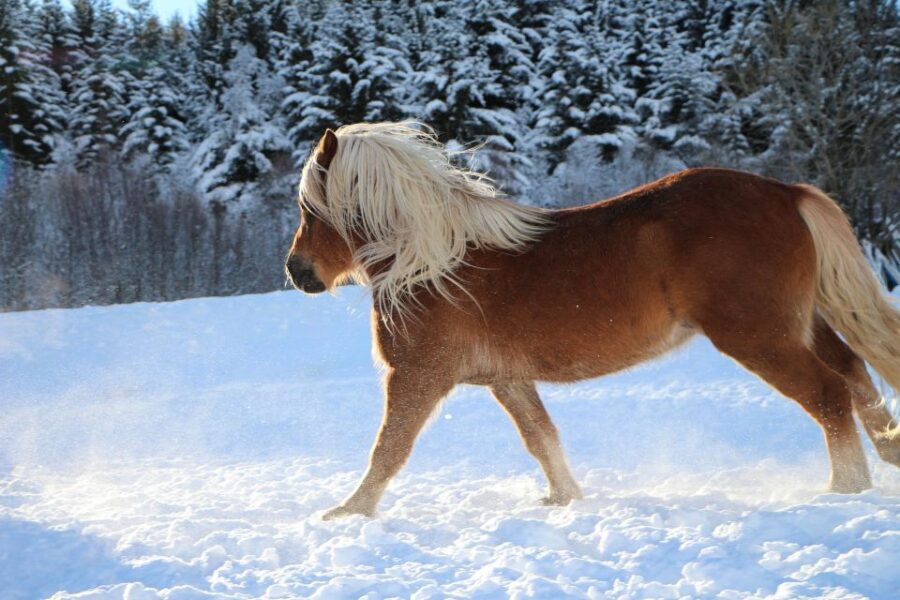
You’ll encounter the Lyngen horse herd up close on Tromsø’s oldest stud farm. The big draw is variety: you’re not just seeing one kind of horse. Expect to see mares—often with foals—along with stallions and playful younger horses.
The Lyngen horses are described as versatile and friendly, and what you’re really looking for is temperament. The good part about a well-run stud farm is that the horses aren’t just trained for tricks; they’re living animals with routines. That makes the contact feel more like farm work—grooming, feeding, standing close safely—than a staged interaction.



Names you might hear in your session
In the reviews, certain individual horses show up—Meera and Mona are mentioned as gentle companions during one visit. You can’t guarantee which animals you’ll meet, but it’s a good sign that the horses in this program have a reputation for being patient and well handled.
The history lesson you’ll actually remember
A big reason to choose this visit is that it connects horses to real local history. You’ll learn about Lyngshorse history and how these horses were used throughout time in Northern Norway, including their preservation during WWII.
This is the kind of topic that can go either way on tours: it can turn into a lecture, or it can stay grounded. From how the experience is described, it’s woven into what you’re seeing—so the history sticks because it has faces and barnyard details attached.
Why WWII preservation is a meaningful detail
When a tour mentions WWII preservation, it’s signaling that this isn’t just a cute hobby farm. It’s a story about survival, breeding choices, and keeping something alive when conditions weren’t easy. That gives your encounter with the horses an extra layer. You’re not only enjoying animals; you’re witnessing the outcome of decades of effort.
Optional horse riding: fun if conditions allow, and never a pressure point
Horse riding is included, but only if weather permits. Riding is explicitly not mandatory, so you can still have a full, satisfying visit even if the ride can’t happen that day.
Here’s how to think about the ride for planning:
- If weather is good, it’s an exciting add-on that turns the morning from viewing to participating.
- If weather is rough, you’ll shift focus to history and closer farm interaction.
That flexibility is a real value. Tromsø weather can be unpredictable, and it’s better when your experience doesn’t fall apart if riding is off the table.
Safety comes before excitement
Because you’ll be around horses in motion (or preparing to ride), the farm emphasizes safety rules. You’ll need to sign a declaration that follows Tromsø Lyngshest safety rules, and participants engage at their own risk.
There’s also a strict weight limit of 95 kg / 209 lbs. That’s not just a formality—it affects how safely a horse can carry a rider, and it’s part of why the whole operation keeps its small-group structure.
Safety rules you should take seriously (and why it’s a good sign)
This tour isn’t built around cutting corners. Safety is mandatory, and the farm makes it clear that you must follow their rules. You’ll also see a liability disclaimer from Tromsø Lyngshest about damages during the activity.
It might feel formal, but in a horse environment, that paperwork usually means the staff is serious about risk management. And with groups capped at 8, you’re less likely to end up in a crowded situation where everyone’s doing their own thing at the fence line.
If you’re traveling with kids
Children over 10 are welcome, but parental supervision is required. That’s exactly the kind of guideline you want—clear boundaries rather than guesswork. Also note the limit for children under 4 years.
If allergies are an issue
This experience isn’t suitable for people with animal allergies. Horses, barns, and hay don’t leave room for “maybe.” If this applies to you, it’s better to plan something else.
Price and value: what $188 buys you in Tromsø terms
The price is $188 per person for about 2 hours. That’s not cheap, especially compared with casual sightseeing. But in this case, you’re paying for three things at once:
- A knowledgeable live guide in Norwegian or English.
- A small-group farm experience with close horse contact.
- An optional riding component that’s weather-dependent.
Horse activities cost more than most tours because staff and safety requirements are real. You’re also getting something less common than a generic attraction: time with a specific Northern Norwegian horse breed, tied to local history and the farm’s long-standing role.
If the optional ride happens, the value jumps. If it doesn’t, you still get the farm encounter and the history context—so the experience doesn’t feel wasted.
Who this is best for (and who might skip it)
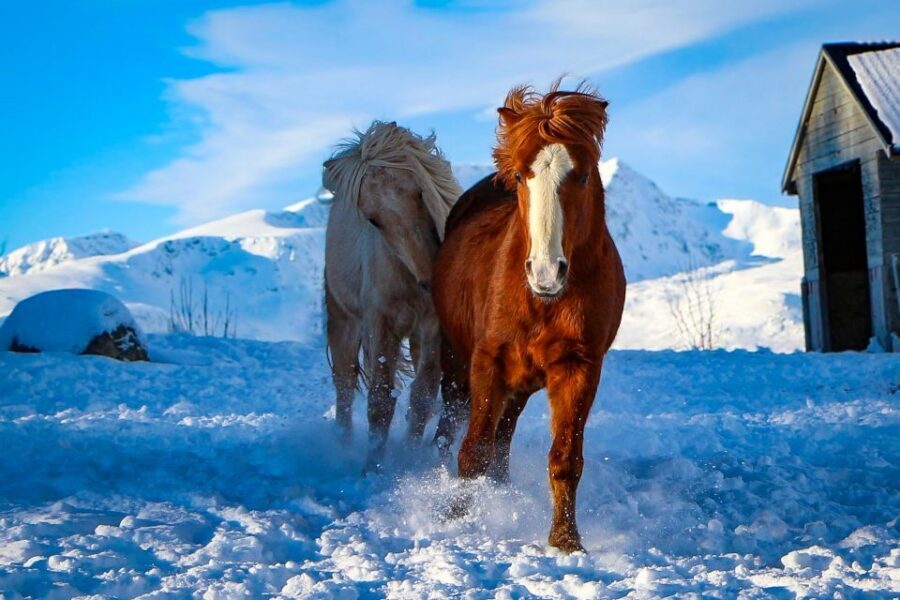
This is a great choice if you want something hands-on in Tromsø beyond scenery and museums. You’ll probably love it if you enjoy:
- animals and calm, close-up interactions
- learning local history with a practical tie-in
- small-group tours where safety rules are actually followed
You might want to skip it if:
- you need a tour with hotel pickup
- you can’t handle outdoor conditions for an hour or two
- you have allergies to animals
- you fall outside the weight limit (over 95 kg / 209 lbs)
A few practical tips before you go
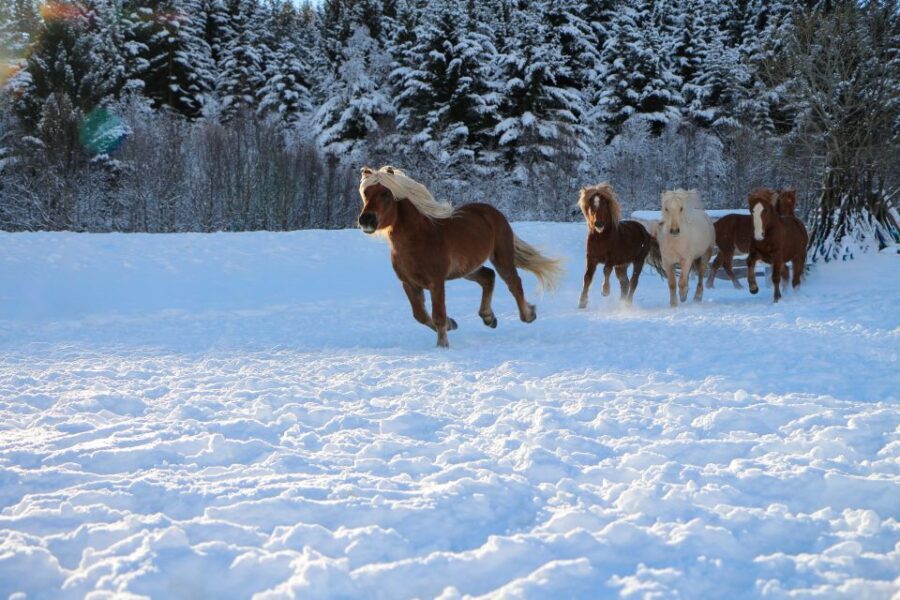
You’ll get the most out of this visit if you plan like it’s a real farm outing.
- Dress for cold and wind. Your time isn’t spent in a warm bus.
- Wear footwear that works on farm ground (slightly slick surfaces can happen).
- Arrive on time so you don’t rush through the safety briefing.
- If you’re hoping to ride, keep your expectations flexible since weather decides.
Also, make sure your transport plan is solid. One review specifically flags arranging decent transport, and that’s a smart reminder. No pickup means you’re the one responsible for being there when the session starts.
Should you book Tromsø Lyngshest?
Yes—if you want a small-group, real-horse experience with a breed-specific story tied to Northern Norwegian history. This is the kind of activity that fits well in a Tromsø trip when you’re craving something grounded and not just outdoors-for-photos.
Book it especially if you’re excited by horses and history, and you’re okay with the simple logistics of meeting at the farm yourself. You’ll still enjoy the visit even if the optional ride doesn’t happen, because the farm encounter and the Lyngen horse background are the core of the experience.
FAQ
Where is the meeting point?
Meet your guide directly at Tromsø Lyngshest, Ullstindvegen 1279, 9023 Krokelvdalen. Look for the red farm building on your right hand.
How long is the visit?
The duration is about 2 hours.
Is horse riding included?
Riding is included only if weather conditions permit. Riding is not mandatory.
What languages will the guide speak?
The live tour guide is available in Norwegian and English.
Is the group size small?
Yes. The experience is limited to a small group of up to 8 participants.
What are the weight limits?
There is a weight limit of 95 kg, which is also listed as 209 lbs. People above this limit are not suitable.
Do I need to follow safety rules?
Yes. Participants must follow the farm’s safety rules and sign a declaration. The activity is also at your own risk as stated by Tromsø Lyngshest.