REVIEW · TROMSO
Tromsø: Whale Watching Tour by Hybrid-Electric Boat
Book on GetYourGuide →Operated by Brim Explorer · Bookable on GetYourGuide
Arctic whales are hard to see and easier to miss. This tour’s main advantage is a purpose-built hybrid-electric catamaran that keeps things as quiet as possible once the animals show up. I also like that you get real experts on board who explain what you’re looking at, and even share stories about the Tromsø area while you’re searching. One thing to weigh: it’s a long cold day, and conditions can get wavy outside, so seasickness is a real possibility.
What I like most is the combination of heated indoor cabins with panoramic windows and a boat designed for whale watching, not speed. You’re comfortable enough to hunt from warm, and you still have access to the decks when the light is good. I also love that the operator aims for respectful viewing—once whales are spotted, they switch to electric to reduce disturbance. A consideration: there’s no guarantee you’ll see whales, and the trip length can stretch based on where the animals are.
If you go, do it for the full experience, not just a checklist. You’ll be out in the Barents Sea and fjords, typically with several species possible—Fin, Sperm, Humpback, and sometimes Orca—plus long scenic stretches in Arctic daylight. Just pack for cold and movement, and you’ll be set for a memorable day.
In This Review
- Key points to know before you book
- Hybrid-electric catamaran: why this boat design matters
- From Kaigata pier to Skjervøy: how the day unfolds
- Safety briefing, then whale hunting begins
- Seeing orcas and the rest: what “95% success” really means
- The on-board experience: warm rooms, smart guidance, and real pacing
- Food, drinks, and what not to assume about lunch
- Logistics that can surprise you: motion, time, and deck conditions
- Price and value: is $195 worth it?
- Who should book this, and who should reconsider
- Should you book this Tromsø whale watching tour?
- FAQ
- How long is the whale watching tour?
- Where does the tour start and end?
- What whales might you see on this trip?
- Is seeing whales guaranteed?
- Is there food included?
- What about warmth and comfort on the boat?
- Is the trip suitable if I get seasick?
Key points to know before you book
- Hybrid-electric “quiet mode” once whales are near to minimize disturbance
- Heated indoor saloons with big windows and easy viewing from multiple levels
- Multiple whale species on one outing (Fin, Sperm, Humpback, and/or Orca)
- A long search that still stays interesting, with guide talk and local stories
- Food and drinks available for purchase onboard (lunch isn’t included)
- Cold decks and possible waves mean dressing right matters a lot
Hybrid-electric catamaran: why this boat design matters
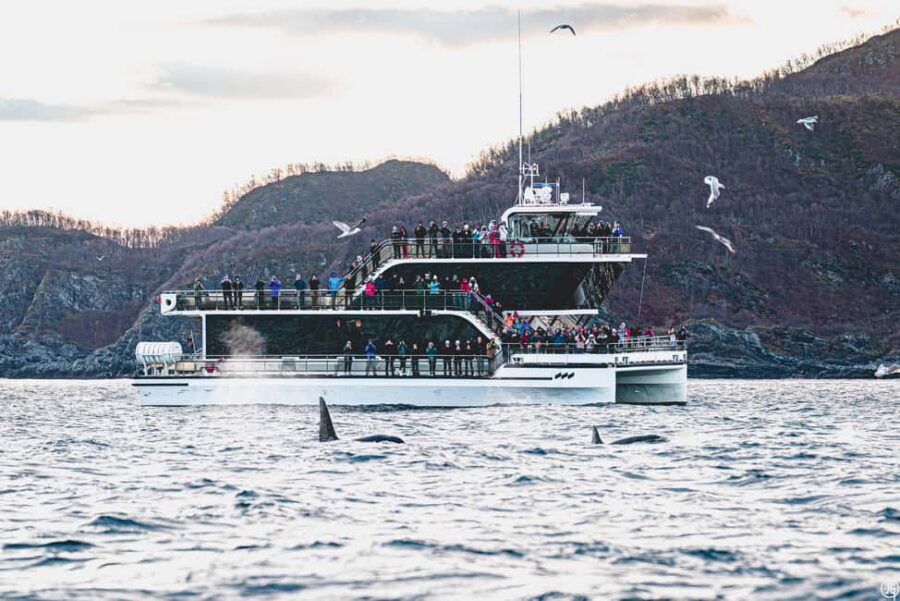
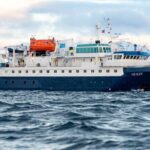
This is whale watching in the Arctic, which means two things: wildlife can be far away, and conditions can be rough on your body. The smartest part of this tour is that it’s built for both. The boat is hybrid-electric and designed specifically for whale watching, so you’re not forcing fast, noisy travel through whale territory.
The crew’s approach is practical: once whales are spotted, they switch to an electric and silent engine to reduce noise and vibration. You don’t need a marine biology degree to see why this helps. Whales feed and breathe on their own schedule, and if the tour is too loud, you can end up watching behavior change or animals move away. The operators state that researchers cite engine noise and vibration as a disturbance to marine life, which is exactly why the quieter mode is the point.
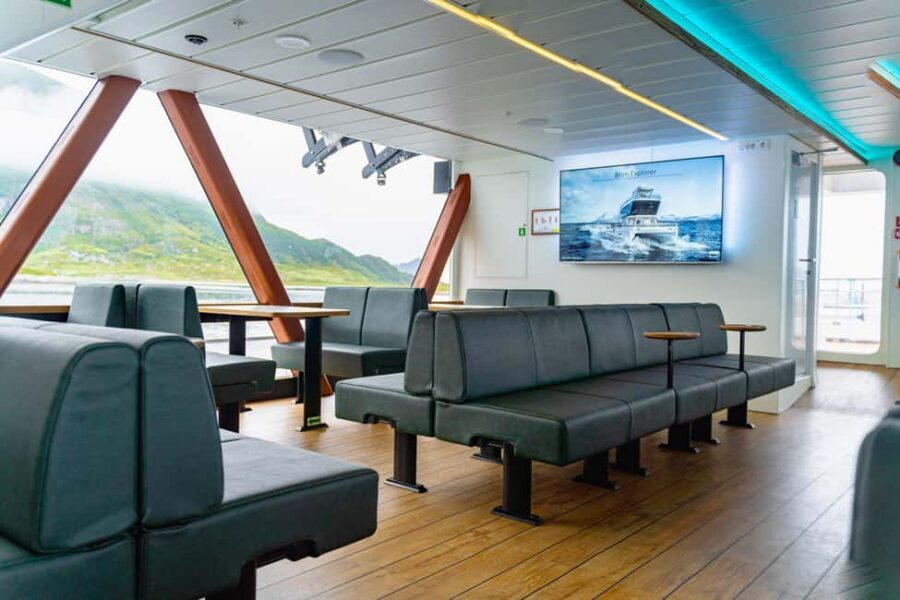
Then there’s comfort. The boat has multi-level decks and large panoramic windows, plus heated indoor saloons. That’s not just a “nice to have.” In Tromsø-area whale season, you may spend long stretches searching before anything surfaces. Being able to stay warm while still scanning for blows and flukes changes how the day feels.
Other whale watching tours we've reviewed in Tromso
From Kaigata pier to Skjervøy: how the day unfolds
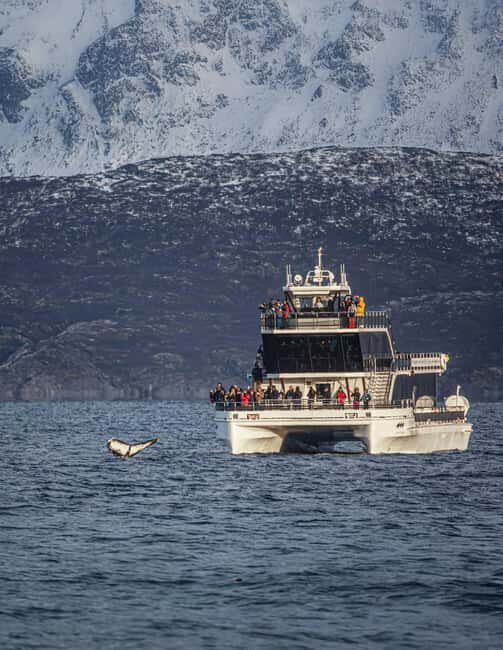
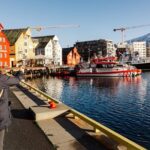
The tour starts at the pier by Skarven Kro Restaurant in Tromsø (Kaigata 6). Morning departures are designed to work with Arctic daylight, and your route takes you toward the Skjervøy area where whales are more likely to be near the feeding grounds.
The day runs about 9 hours, but it can vary from roughly 7 to 9 hours depending on whale location. That variation is normal in the Arctic. The captain keeps an eye out and you follow the whales’ whereabouts rather than a fixed schedule for sightings.
On the way out, you’ll have scenic time from the boat and/or earlier portions of the journey, with photo stops along the route. There’s time for short guided stops, sightseeing, and chances to catch light for photos—one stretch is specifically framed as a sunrise-type moment, and another as sunset. Even without a sighting, this is part of the value: the fjords and frozen-looking coastal scenery are the “warm-up” for the main event.
At some points, you may travel by coach as part of the day before reaching the water. One practical reason this matters for you: if you’re sensitive to motion, it helps to know when you’ll be on a boat versus on land. The tour’s core whale time is still on the water, and the plan keeps the boat journey portions clear enough that you can decide where to sit, where to dress layers, and when to plan for breaks.
Safety briefing, then whale hunting begins
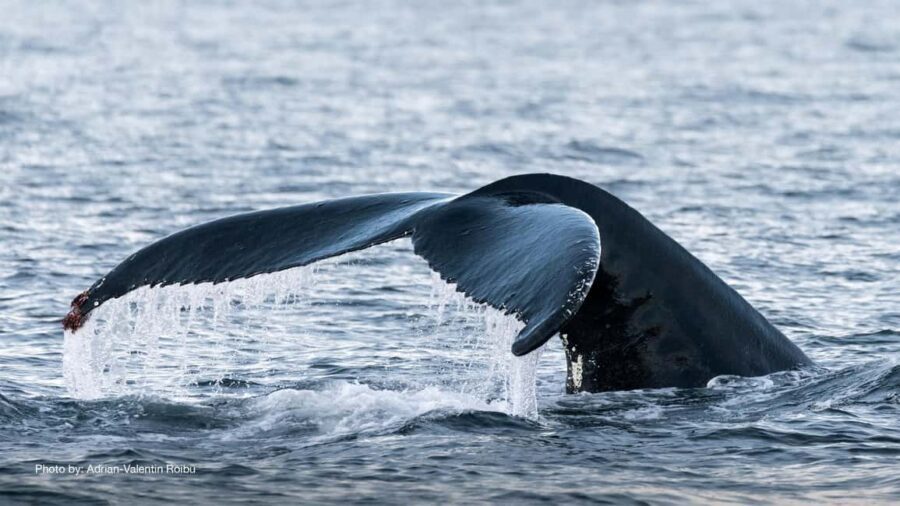
After you meet the crew, you’ll get a safety briefing (about 18 minutes). It’s straightforward but worth paying attention to, especially if you’re bringing layers, boots, and cameras. Cold + movement + winter decks = you want to know where the safest walking paths are and how boarding areas work.
Once underway, your time is split between:
- travel out to the whale area (about 3 to 3.5 hours), and
- time in the feeding grounds (about 1 to 1.5 hours once whales are located).
The guides guide. While you’re searching, they share stories about the Tromsø region and sights you can see from the fjords. Then, when it gets serious, they shift into education mode so you can spot more than just “a whale.” That includes practical discussion of what species tend to look like, how blows differ, and why whales sometimes take their time before they commit to the surface.
Seeing orcas and the rest: what “95% success” really means
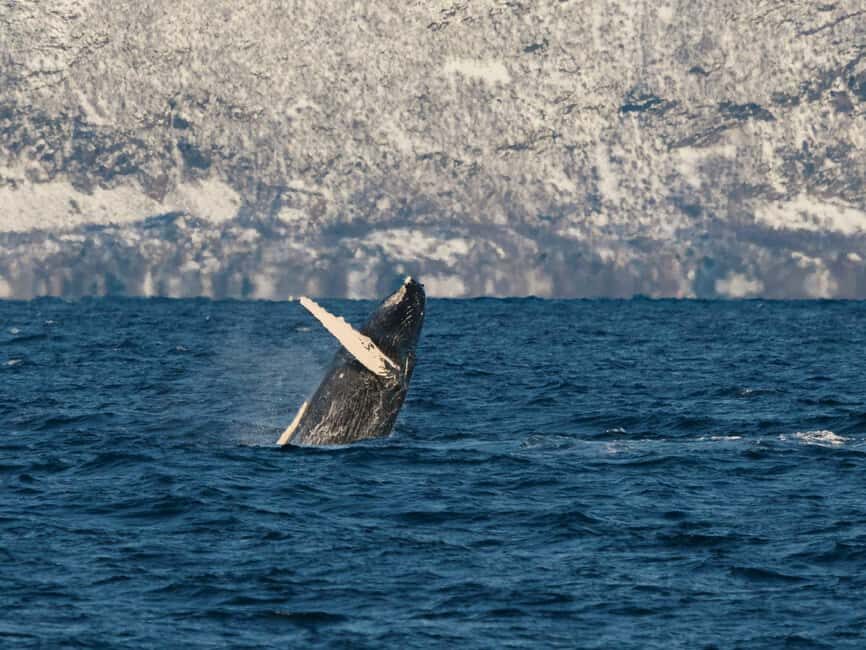
The tour highlights a 95% success rate for seeing Humpback, Fin, Sperm whales and/or Orca. That’s encouraging, but the operator also states there’s no guarantee. In the Arctic, animal behavior and weather can change quickly.
So here’s the fair way to think about it: you’re buying a guided search with a strong probability, not a ticket to a guaranteed lineup of species. When sightings happen, they tend to be the kinds that stop you from checking your phone.
The species you’re most likely to hear about (and, with luck, see) include:
- Orca (killer whales)
- Humpback whales
- Fin whales
- Sperm whales
Orcas can be especially exciting because they’re often more social and active around the feeding areas. If you’re hoping for orcas, keep expectations flexible. Some days they stay closer to the action around small boats and can feel a bit shy with a larger group. On this tour, you’re on a larger purpose-built vessel, which means you might sometimes watch more from the panoramic windows and wait for the right angle and distance.
That said, the operator’s whale philosophy helps. They’re trying to work toward better whale watching practices by minimizing disturbance. In the real world, that’s why you can sometimes get behavior that feels natural rather than pressured.
The on-board experience: warm rooms, smart guidance, and real pacing
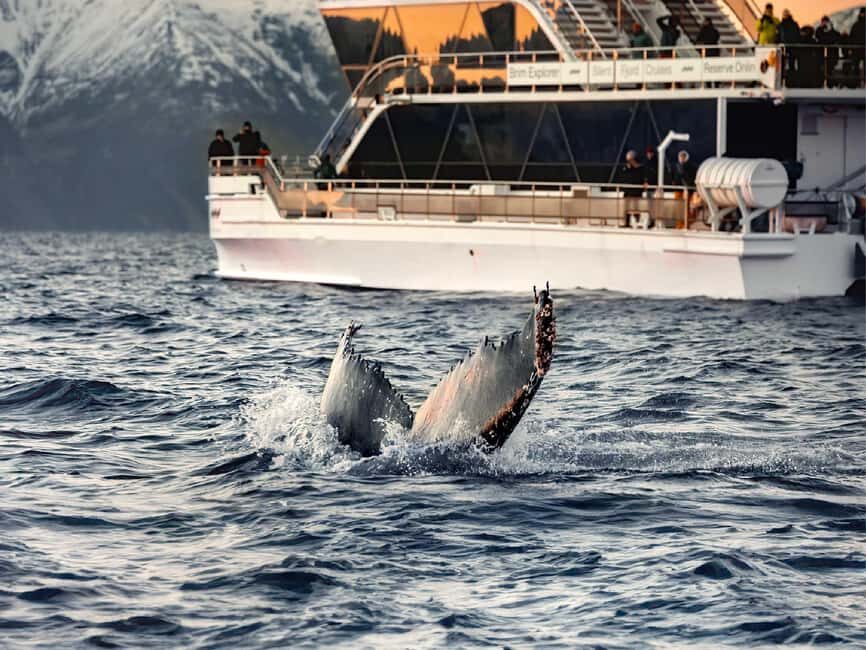
Your comfort is built around one idea: stay warm without missing the hunt. The indoor saloons are heated and designed for viewing, so you can scan through panoramic windows without constantly returning to the deck like a yo-yo.
On board, you’ll have:
- Heated indoor seating with large views
- Multi-level decks for shifting viewpoints
- Tap water
- Wi-Fi
- A live guide in English
The guides are the heart of the value. From guide names you may hear like Connor, and crew members such as Bee, Adrian, and Ivan, the consistent theme is knowledge paired with friendliness. The information isn’t just a lecture. It’s used to help you watch better.
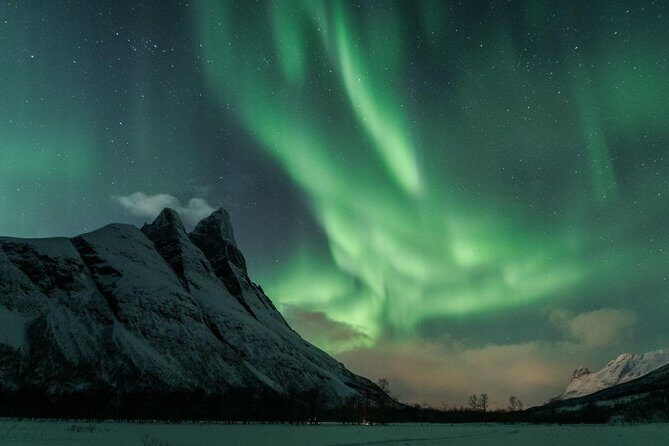
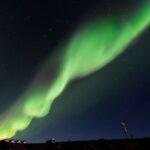
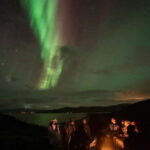
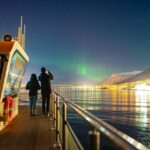
For example, guide talks happen during the search, so you’re learning while you’re waiting. That turns “waiting” into part of the fun. Some days also include special moments like a northern lights glimpse on the return journey—nothing you should plan your trip around, but it’s a nice bonus if it happens when conditions cooperate.
Other eco and electric vehicle tours in Tromso



Food, drinks, and what not to assume about lunch
Lunch isn’t included. You can purchase food and drinks onboard, and the bar isn’t reported as wildly priced. Tea and coffee have also been described as having free refills, which matters on a cold day when you want something hot without overthinking it.
So plan like this:
- Bring a little mindset for purchasing rather than expecting a full meal.
- If you’re picky about timing, check what’s available once you’re on board because the main whale windows can be unpredictable.
This is one of those “small” details that changes the day. On whale tours, you often end up with a lot of waiting. Warm drinks and easy snacks help you stay patient and still enjoy the viewing window when it finally happens.
Logistics that can surprise you: motion, time, and deck conditions

A whale tour is not a sit-still event. Even with a quiet electric engine near the whales, you’re still traveling in Arctic waters.
The tour explicitly notes wavy conditions are possible and seasickness is a factor for some people. It’s smart to take precautions—one practical tip that comes up is bringing seasick tablets. If you’re on the fence, you’re the exact person who should plan ahead. The boat portion is the part you feel in your stomach, but the day as a whole can still be mentally tiring.
Also: decks can be icy. That’s not a theoretical risk. You’ll want proper winter footwear with grip, not slick shoes. If you’re photographing, add a plan for steady footing and avoid rushing outside when the boat is moving.
One more “keep it simple” caution: keep personal valuables with you. There’s at least one account of a power bank and cable being taken from a seat area on deck. That doesn’t mean it happens every time, but it’s an easy fix—keep your essentials in a pocket or small bag you control.
Price and value: is $195 worth it?
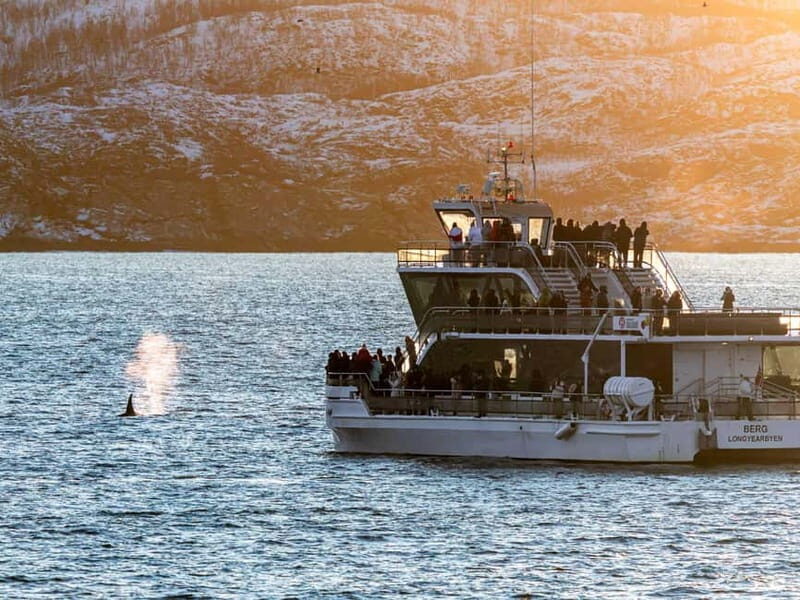
At $195 per person, the price is for a full-day guided experience with a purpose-built whale watching boat, heated facilities, and a serious search strategy. The included items are useful on their own:
- experienced whale watching guide
- heated indoor saloons with panoramic windows
- purpose-built hybrid-electric whale watching boat
- Wi-Fi
- tap water
What’s not included is lunch. Food and drinks are available for purchase. When you judge value, include that realistic add-on cost.
The other value lever is the boat’s design. Quiet operation around whales isn’t just marketing. It’s what can keep whales behaving naturally and reduce the chance of animals leaving early. You’re also paying for the guide’s spotting and education. Without that, you might still see whales, but you’d likely miss more of the context that makes the sightings satisfying.
When I think about “worth it” in Tromsø, I usually compare three things:
1) How warm and comfortable you’ll be while you wait
2) How likely you are to see something
3) How respectful the operator is with wildlife
This tour scores well on all three, especially because the whale time is targeted and the boat experience is built for long Arctic waiting periods.
Who should book this, and who should reconsider
This is a strong fit for you if:
- you want a quiet, whale-focused boat experience, not a party cruise
- you’re okay with a full day and cold weather
- you want professional guidance while you search
- you care about respectful viewing practices
It may be less ideal if:
- you have serious motion sensitivity and don’t want to plan for seasickness at all
- you’re hoping for a short outing (the day is long by design)
- you dislike winter layers and icy decks, even with heated indoor options
If you’re traveling with kids or older relatives, the comfort setup helps a lot because you’re not stuck outside. Wheelchair accessibility is also noted, which matters for anyone who needs heated, stable viewing.
Should you book this Tromsø whale watching tour?
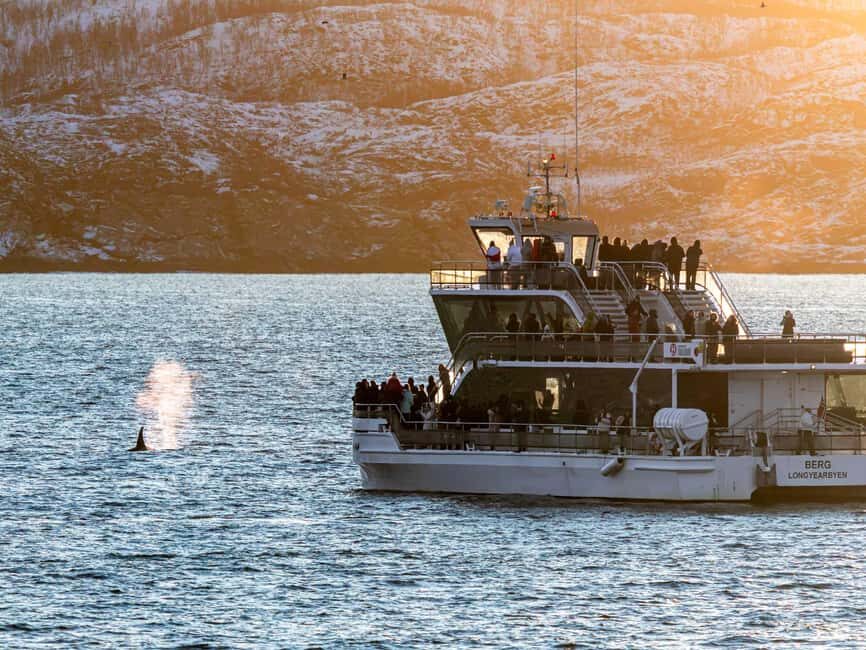
Yes—if you’re coming to Tromsø primarily for wildlife and you’re willing to dress for Arctic cold and movement. The hybrid-electric quiet approach, heated panoramic viewing, and experienced English-speaking guides make it feel built for real whale watching, not just sightseeing.
Book it if you want the best shot at seeing Orcas, Fin whales, Sperm whales, and/or Humpbacks while staying comfortable during the long search. Just go in with the right expectations: plan for the day to be longer than you’d expect sometimes, accept that there’s no guarantee, and bring proper winter gear and seasickness precautions.
If that sounds like your kind of Arctic adventure, the Brim Explorer outing from Tromsø to the whale grounds is exactly what you came for.
FAQ
How long is the whale watching tour?
The duration is about 9 hours, and it can range from roughly 7 to 9 hours depending on where the whales are located.
Where does the tour start and end?
You meet the crew at the pier next to Skarven Kro Restaurant in Tromsø (Kaigata 6). The tour ends back at the same meeting point.
What whales might you see on this trip?
The tour is designed for sightings of Humpback, Fin, Sperm whales and/or Orcas, depending on where the animals are that day.
Is seeing whales guaranteed?
No. The operator says there’s no guarantee, but they aim for very high success based on the whales’ location and their search.
Is there food included?
Lunch is not included. You can buy food and drinks onboard.
What about warmth and comfort on the boat?
The indoor saloons are heated and have panoramic windows. It’s still cold outside, and the tour advises bringing warm clothes, including wool, plus warm layers for deck time.
Is the trip suitable if I get seasick?
Conditions can be wavy, and seasickness is possible. It’s a good idea to plan for it, since the tour notes that wavy conditions may occur.