REVIEW · TROMSO
From Tromsø: Northern Lights Visit at Camp Tamok
Book on GetYourGuide →Operated by Norwegian Travel · Bookable on GetYourGuide
The best nights in the Arctic start with preparation. This tour gets you out to Camp Tamok for winter-dark skies, then pairs the cold with real comforts—thermal suits, a small-group pace, and guided help for aurora photos.
What I like most is the hands-on setup: you’re properly kitted for the outdoors and guided through what to do once you’re under the sky.
I also like how the experience goes beyond chasing lights. You’ll spend time walking near camp when conditions allow, then warm up in a traditional Sámi lavvu with a hearty meal around an open fire. Even when the aurora doesn’t show, the night still has a strong sense of place.
The main drawback to plan for is simple: the Northern Lights are a natural phenomenon, and you can’t count on when they’ll appear—or whether the sky cooperates enough to see them clearly.
In This Review
- Key things to know before you go to Camp Tamok
- Camp Tamok: why this remote valley makes sense for aurora viewing
- Tromsø to Tamok: the bus ride that sets your evening up right
- Gear check: thermal suits, boots, mittens, and a warmer way to wait
- The pre-aurora briefing: what the presentation and photo tips are actually for
- The viewing walk: how the evening shifts when weather changes
- Sámi lavvu dinner by the open fire: the comfort stop you’ll remember
- Northern Lights photos: tripod use, timing, and keeping the cold from winning
- Price and value: what $250 buys you in real terms
- Group size and timing: why 12 people feels good at night
- What can go wrong: the drawback patterns worth planning around
- Who this tour suits best (and who should skip it)
- Should you book the Camp Tamok Northern Lights tour from Tromsø?
- FAQ
- Where do I meet for the Camp Tamok Northern Lights visit?
- How long is the tour, and how much time is spent at Camp Tamok?
- What’s included besides the Northern Lights viewing?
- Is the Northern Lights guaranteed on this tour?
- What should I bring with me?
- Is this tour suitable for young children?
Key things to know before you go to Camp Tamok
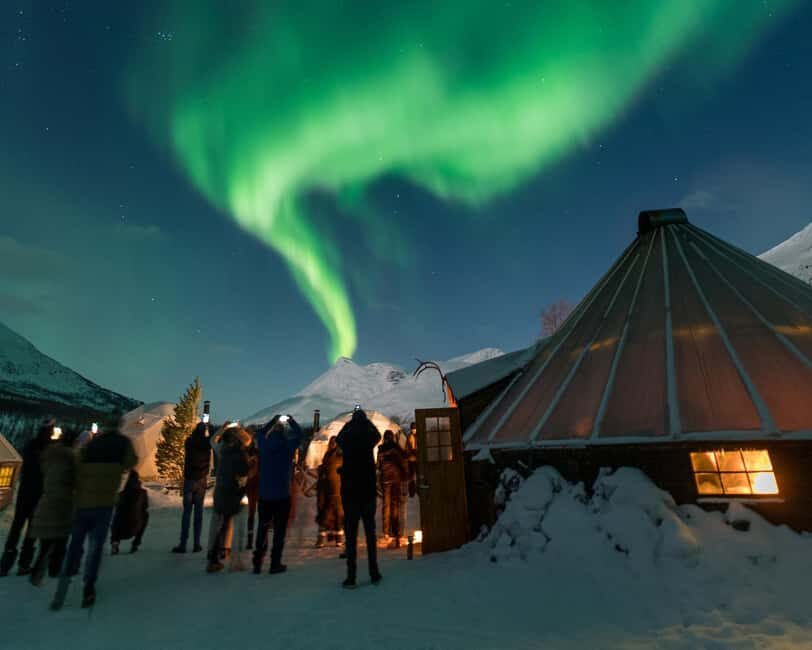
- Camp Tamok’s remote valley setting is chosen for clearer winter skies and big-sky viewing
- Thermal suit, boots, mittens, and hat take the edge off the cold so you can focus on the night
- Photo help includes a tripod and headlamp, plus an intro on how to photograph the aurora
- Short walk to nearby viewing spots happens when weather allows, so you’re not stuck waiting only in one spot
- Dinner in a Sámi lavvu means you get a real warm break, not just a quick stop
- Small group of up to 12 keeps the experience calmer than the big-coach chaos
Camp Tamok: why this remote valley makes sense for aurora viewing
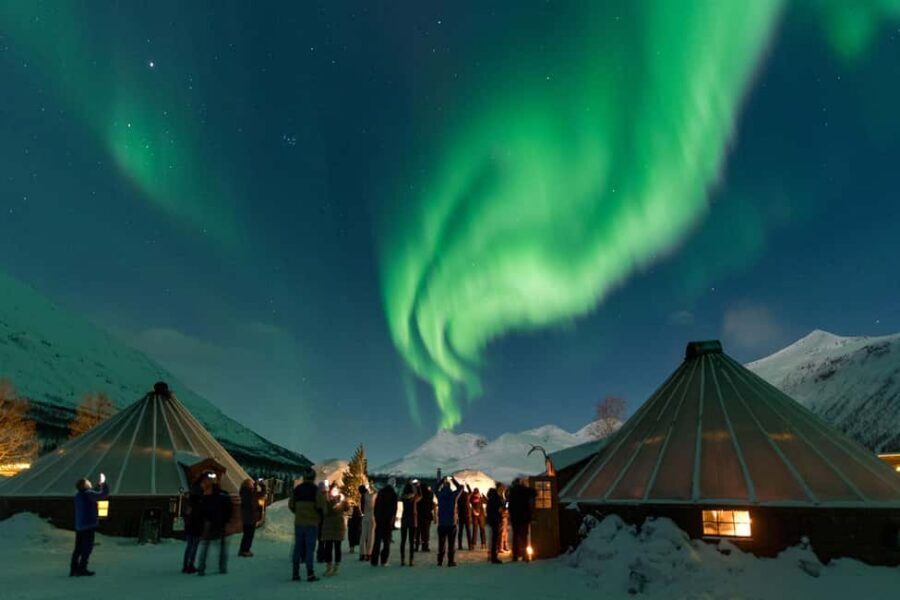
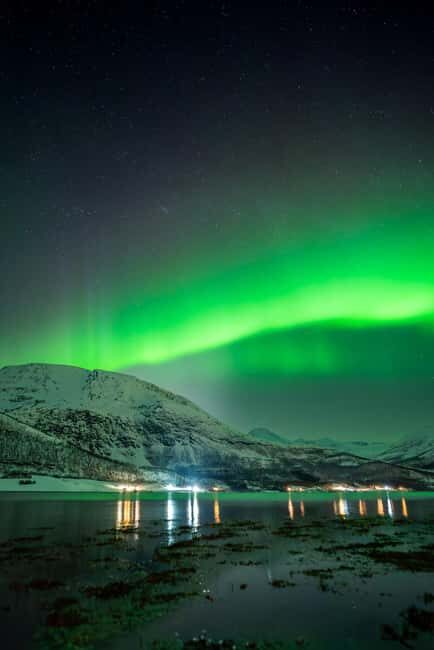
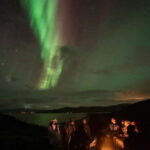
If you want the Northern Lights, you need two things working together: darkness and sky clarity. This trip trades “drive all night” stress for a more concentrated plan—bus out to Camp Tamok in the remote valley of Tamok, then spend your evening there. That matters because it reduces the chances that you’ll miss the best window while bouncing around for hours.
Tamok is set up specifically for this kind of night. You’re not just dropped at a random pull-off. Instead, you arrive at a camp where the viewing rhythm is built in: a quick presentation, then time outdoors, then warming up inside a traditional Sámi tent (lávvu) when your body asks for heat.
One more practical note: the tour schedule includes you staying outside when the lights appear, rather than rushing back the moment there’s a faint glow. That’s helpful because aurora activity can change quickly—moving, strengthening, or fading. You’ll feel like you’re actually watching the sky, not just checking a box.
Other northern lights tours we've reviewed in Tromso
Tromsø to Tamok: the bus ride that sets your evening up right
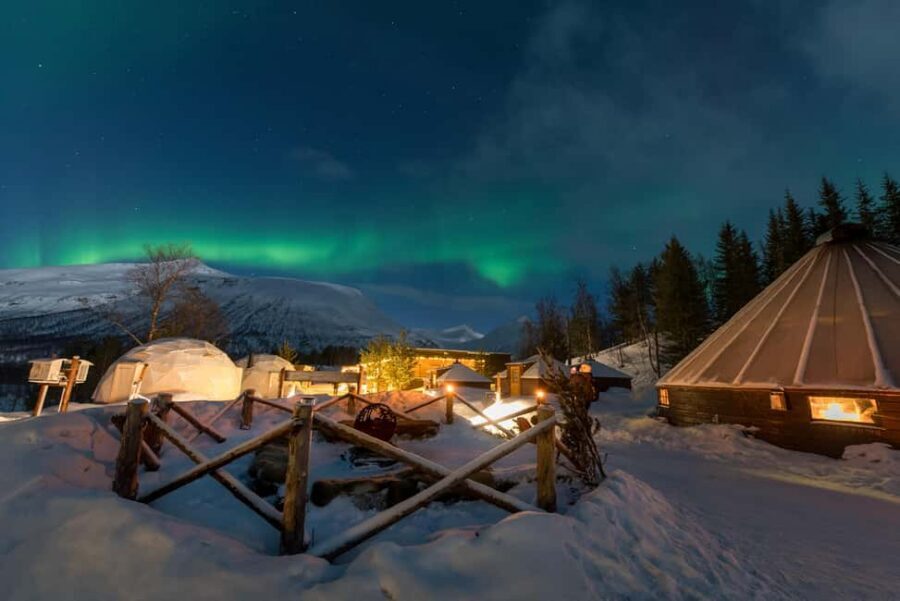
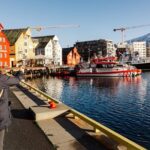
The meeting point is in Tromsø Havn Prostneset—inside the main entrance hall. From there, you’ll depart by bus for about 90 minutes of scenic winter travel to the camp. On paper, that’s just transit time. In real terms, it’s what makes the evening smoother.
Here’s why: you start Tromsø-wide without needing to solve logistics in the dark. The tour takes care of the return ride too—another 1.5 hours back into town at the end. That means you can concentrate on dressing for cold, getting your camera ready, and paying attention when the guide tells you what to look for.
The bus ride also gives you a buffer. Northern Lights nights depend on clouds. If the weather isn’t ideal, the evening still stays structured—walk a bit near camp, listen to the guide’s explanations, then warm up around the fire. No one is left scrambling for a plan.
Gear check: thermal suits, boots, mittens, and a warmer way to wait
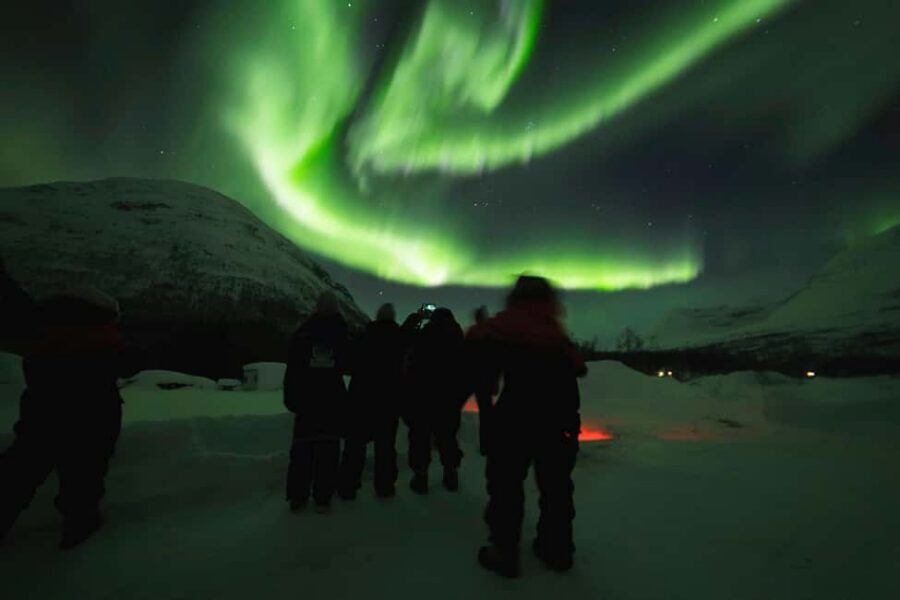
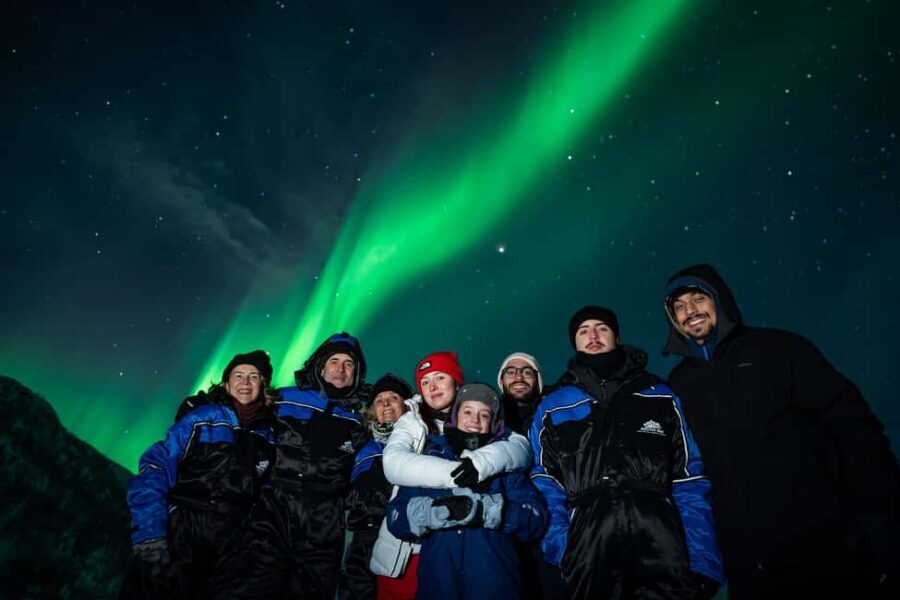
One of the best parts of this tour is how quickly you get made comfortable. When you arrive at camp, your guide welcomes you and provides thermal suit and winter boots, plus mittens and a hat. That’s the difference between standing in the cold with numb hands and actually enjoying the night sky.
It also helps your photos. Cold hands struggle with camera settings. Warm hands can keep the tripod stable, adjust focus, and keep exposure settings consistent. You’re also given equipment for nighttime visibility and setup: a headlamp and tripod.
A small caution based on real-world experience with groups: when you’re switching into thermal gear, don’t drift off. If you step away and miss the group check-in, you can end up feeling stuck while others regroup. Stay close to your guide during the gear change so you keep your place in the evening flow.
What you should bring yourself is straightforward: a camera and weather-appropriate clothing. Even though you’ll get a suit and winter accessories, you’ll still be layered, moving between outside and inside, and staying out long enough for real cold to seep in if you’re under-dressed.
The pre-aurora briefing: what the presentation and photo tips are actually for
Before you head outside for real sky time, you’ll get a short Northern Lights presentation and photography tips. This part is short, but it’s high value because it helps you avoid the most common aurora-photo problems:
- You’ll understand how to handle night exposure timing with a tripod
- You get basic guidance on framing and what to watch for once you’re standing in the dark
- You learn where you’re going to be viewing so you’re not wasting minutes searching
This is especially useful if you’re the kind of person who’s excited, then immediately freezes at the camera. The guide’s job here is to get you moving from hope to action—so you can set up quickly and then spend your attention on the sky.
Also, the tour design supports the photo process. You’re not just handed a tripod and left alone. You have a guide, a group, and a plan. That helps a lot if the aurora shows up suddenly, or if it’s subtle at first.
If you’re lucky enough to meet guides like Magnus and Alejandro—names have come up for friendly, story-filled nights—you’ll also get that added layer of explanation that makes the sky feel more personal, not just technical.
The viewing walk: how the evening shifts when weather changes
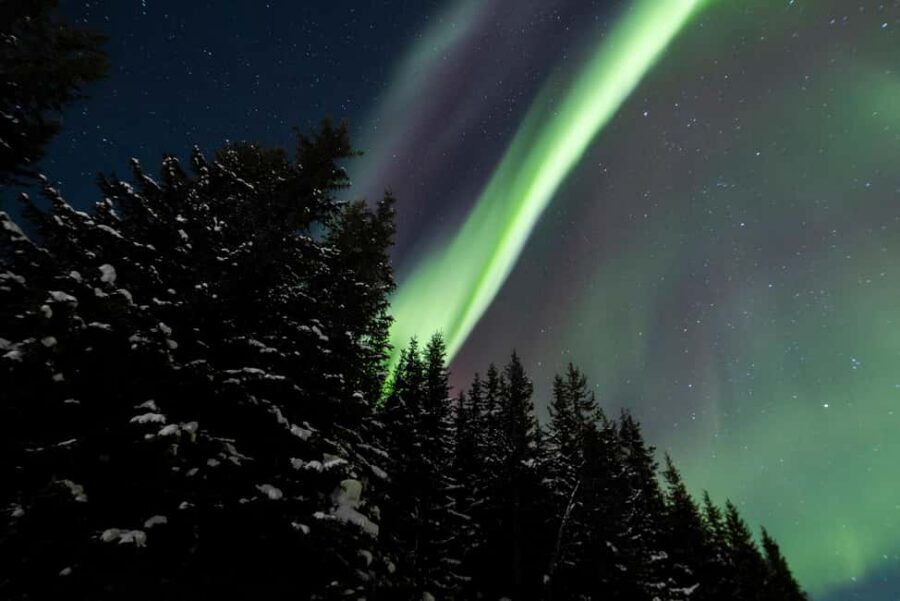
After the intro, the plan depends on weather. If conditions are good, you’ll take a short walk to nearby viewing spots around the camp. That’s not a long hike. It’s more like a repositioning move—different angles, different shelter from wind, and sometimes just better sightlines.
Why this helps: the Northern Lights can look different depending on where you stand. Sometimes you need a clearer view of the horizon or less obstruction from nearby trees and terrain. A short walk is enough to gain a better position without spending the night far from warmth.
When the aurora does appear, the approach changes from “wait and watch” to “stay outside.” That’s a key detail. The best aurora moments can come and go within minutes. If everyone were bundled back inside too early, you’d miss the strongest part of the evening. Here, once it shows, you linger.
If you don’t see much, you’re still not in free-fall mode. You’ll still have the camp experience—walk time, guided context, and then that warm return around the fire. The evening stays structured even when the sky is quiet.
Other reindeer and Sami culture experiences in Tromso
Sámi lavvu dinner by the open fire: the comfort stop you’ll remember
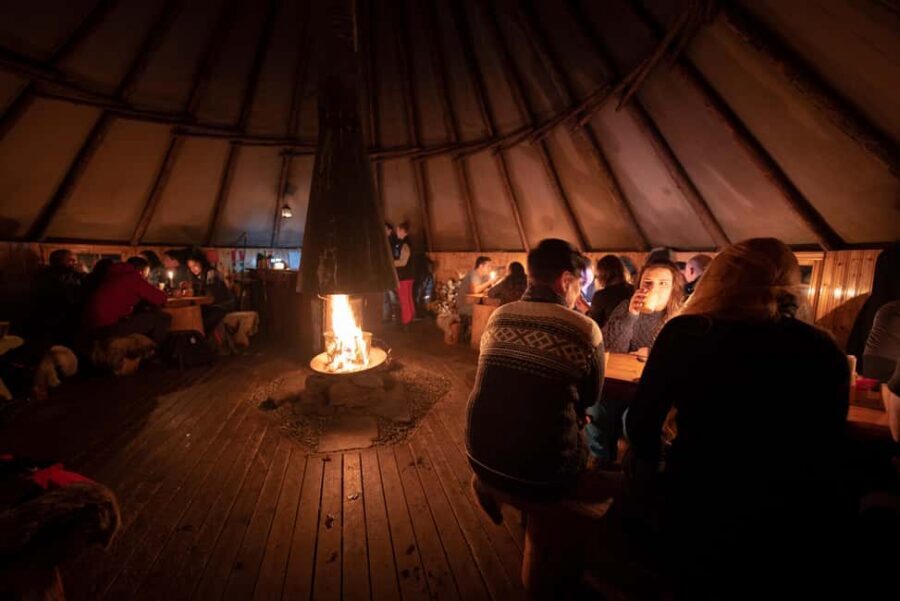
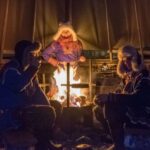
Many Northern Lights tours end with snacks and coffee in a hurry. This one gives you something more satisfying: a warm meal served around an open fire inside a traditional Sámi lavvu.
The meal is warm stew, with coffee or tea. It’s the kind of food that actually works when you’ve been outside in winter air. You don’t just warm up—you feel fed. And since you’re in proper winter gear, the inside time doesn’t feel like a rushed retreat. It feels like a reward.
This is also where the night gains atmosphere. You’re sitting in a traditional tent setting with the glow of firelight and the soft hush of a cold night outside. It’s a memorable contrast to the long, dark sky minutes. If the aurora is active, dinner becomes a calm intermission. If it isn’t, you still end your evening with a strong story and real warmth.
One thing I’d plan around: you might be so focused on the sky that you forget to eat slowly. Take your time here. Warm meal time is part of what makes the 7 hours feel complete instead of exhausting.
Northern Lights photos: tripod use, timing, and keeping the cold from winning
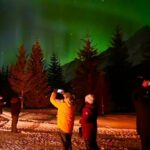
This tour is designed with photography in mind. You’ll get a tripod and a headlamp, plus photography tips early on. You’re also encouraged to bring a camera and a tripod yourself, even though the tour lists a tripod as included. If you’re traveling with your own tripod, you’ll probably feel more confident using your gear. Either way, plan for cold conditions that can make equipment feel clumsy.
Your best strategy is to treat aurora photography like night cooking: set up, then watch. That means:
- Set your tripod quickly during the briefing phase
- Keep your adjustments minimal once you find a composition
- Use your headlamp sparingly so you don’t blind your night vision
- Expect the aurora (if it comes) to change fast, so be ready to adjust
And remember the most important reality check: you can’t guarantee the aurora’s strength or timing. You can only maximize your odds with a good location, darkness, and time outside. This tour’s value is that it gives you both the environment and the guidance to actually try.
Price and value: what $250 buys you in real terms
At about $250 per person for a 7-hour experience, you’re paying for more than a bus and a camp visit. You’re paying for a full package that handles the hard parts of an aurora night:
- Transportation from Tromsø and back
- Small group size (limited to 12)
- Thermal clothing and winter essentials
- A guided briefing plus on-site help during viewing
- A tripod and headlamp for nighttime work
- A warm meal in a Sámi lavvu (stew, coffee/tea)
That value makes the most sense if you’re not trying to DIY in freezing conditions. If you’ve ever tried to plan an aurora night on your own, you know the real pain points aren’t just the cold—they’re the uncertainty, the gear setup, and figuring out what to do when the sky is either perfect or disappointing.
Also, the guide system is part of what you’re buying. Some guides are praised for being friendly and helpful, and that changes how stressful the night feels. Even when the lights don’t appear, you still get a structured evening with stories and a warm stop.
The main thing to keep in mind is probability. If you’re going at a time with cloud cover, you might spend the evening mostly enjoying the outdoors, camp atmosphere, and firelit dinner rather than watching dramatic lights. That’s not a failure—it’s just how aurora tourism works.
Group size and timing: why 12 people feels good at night
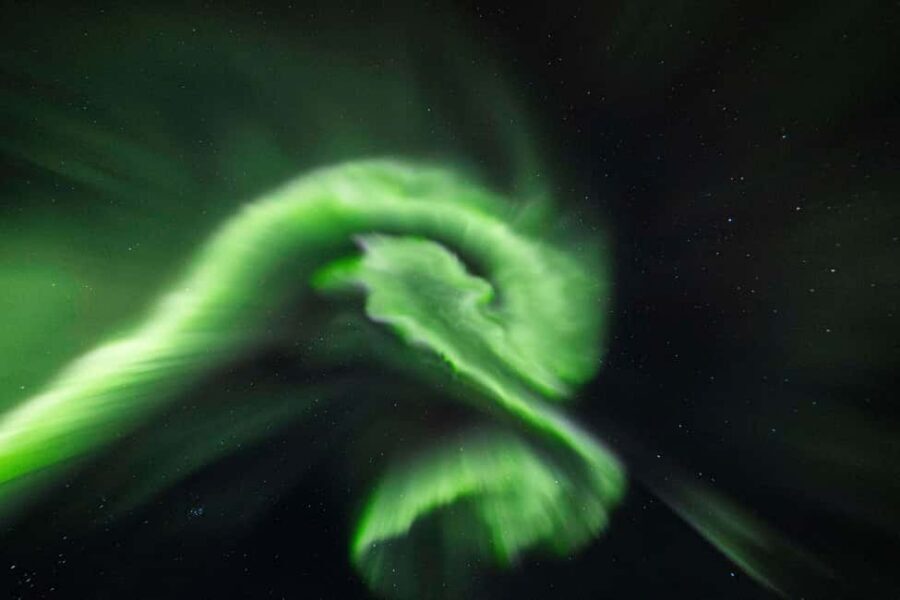
A small group of up to 12 matters more than you might think. In a crowded group, you spend time walking in clusters, losing your angle, and waiting for people who are behind on gear. In a smaller group, your guide can keep you together without making the experience feel rushed.
Timing also helps. You get about 4 hours at camp, after the transit out and before the return to Tromsø. That gives you a real chance to see something, rather than a quick tour and a fast exit. It also creates breathing room for photos and a walk—then it still ends with dinner and warmth.
This pacing is ideal for first-timers who want the Northern Lights experience without turning it into a logistics project.
What can go wrong: the drawback patterns worth planning around
Even with a great plan, winter nights can be messy. Based on practical feedback patterns, here are the main issues to watch for and how you can reduce them:
1) No aurora, or faint aurora.
This is the big one, and it’s built into the tour reality: the lights are not guaranteed. If you go in expecting a certainty, you’ll feel let down. If you go in expecting a chance, you’ll likely leave happy either way—especially because the evening includes camp walking and dinner.
2) Group confusion during the gear change.
When people swap out of normal clothes and into thermal suits, it can get hectic. Stay close to your guide. Don’t wander while you’re half dressed. It protects your time and keeps you from waiting.
3) Uneven guide familiarity on certain terrain.
If weather and ground conditions change, the guidance can feel less smooth. You can’t control that. What you can control is keeping attention on the group and asking quick clarifying questions when you’re unsure where to stand or walk next.
Who this tour suits best (and who should skip it)
This Northern Lights trip works well if you want a guided, comfortable outing rather than a DIY all-nighter.
It’s a good fit for:
- First-time aurora hunters who want photo tips and proper winter gear
- People who like a structured evening: briefing, viewing time, then warm dinner
- Travelers who want small-group pacing, not a giant bus herd
- Anyone who values a real camp atmosphere in a traditional Sámi tent setting
It may be a weaker fit if:
- You’re only interested in seeing the lights and won’t enjoy the rest of the evening if the aurora is quiet
- You hate cold-weather waiting. Even with thermal gear, it’s still winter outdoors for viewing
Age-wise, it’s not suitable for children under 4. If you’re traveling with young kids, double-check whether this pace and cold exposure are appropriate for your group.
Should you book the Camp Tamok Northern Lights tour from Tromsø?
If you want a well-packaged Arctic night with real warmth, guidance, and a good shot at aurora viewing, I think this is an easy yes. The strongest reasons to book are the thermal gear, the small-group setup, the photo-support approach, and the fact that your evening doesn’t fall apart if the aurora is faint or absent. You still get a memorable camp night with stories, walking, and a proper hot meal in the lavvu.
I’d only hesitate if you’re the type who needs guaranteed aurora. This tour can’t promise strength or timing. The upside is that the camp experience is built for the full evening, not just for one moment in the sky.
If you do book, go in with a calm mindset: dress smart, set up your camera early, and give the sky time. That’s how you get the most from Camp Tamok.
FAQ
Where do I meet for the Camp Tamok Northern Lights visit?
You meet inside the main entrance hall of Tromsø Havn Prostneset.
How long is the tour, and how much time is spent at Camp Tamok?
The total duration is about 7 hours. The time at camp is around 4 hours, with bus transfers of about 1.5 hours each way.
What’s included besides the Northern Lights viewing?
You get an English-speaking guide, transfer by bus round-trip from Tromsø, thermal suit, winter boots, mittens and hat, a tripod, headlamp, and a hot meal (warm stew) with coffee or tea.
Is the Northern Lights guaranteed on this tour?
No. The Northern Lights are a natural phenomenon, and the guide can’t guarantee if, when, or how strong they will be on your evening.
What should I bring with me?
Bring a camera and weather-appropriate clothing. The instructions also mention bringing a tripod.
Is this tour suitable for young children?
It’s not suitable for children under 4 years old.