REVIEW · TROMSO
Tromsø: Electric fatbike trip on winter paths
Book on GetYourGuide →Operated by Tromsø Outdoor · Bookable on GetYourGuide
Electric fatbikes in Tromsø turn a winter walk into motion. I love the mix of Tromsø city streets and the forest paths of Tromsømarka, where snowy peaks frame your ride. I also like the built-in warm break with hot drink and lefse, so you’re not just rushing from one photo stop to the next.
The only real consideration is winter clothing. Temps and wind in December through March can change fast, and you’ll feel it on a 3-hour ride unless you come layered or rent boots and winter gear in advance.
In This Review
- Quick hits
- From city lights to Tromsømarka winter paths
- Meeting at Tromsø Outdoor and getting ready in real winter style
- How the fat E-bike setup makes winter riding less scary
- The winter route: roads, compact groomed trails, and light when it fades
- What the guide actually does: pacing, technique, and Arctic life talk
- The warm break: hot drink and lefse near the right moments
- Price and value: what $186 includes in winter competence
- Who should go, and who should skip this one
- What to pack so the cold stays a background detail
- Should you book Tromsø Outdoor’s electric fatbike trip?
- FAQ
- How long is the Tromsø electric fatbike trip?
- Where does the tour start and finish?
- What is the meeting time?
- Is there an English-speaking guide?
- What kind of bike do I ride?
- What winter riding surfaces do you use?
- What’s included in the price?
- Do I need to rent winter clothes or boots?
- When does the activity run?
- Is it canceled for bad weather or if I change plans?
Quick hits
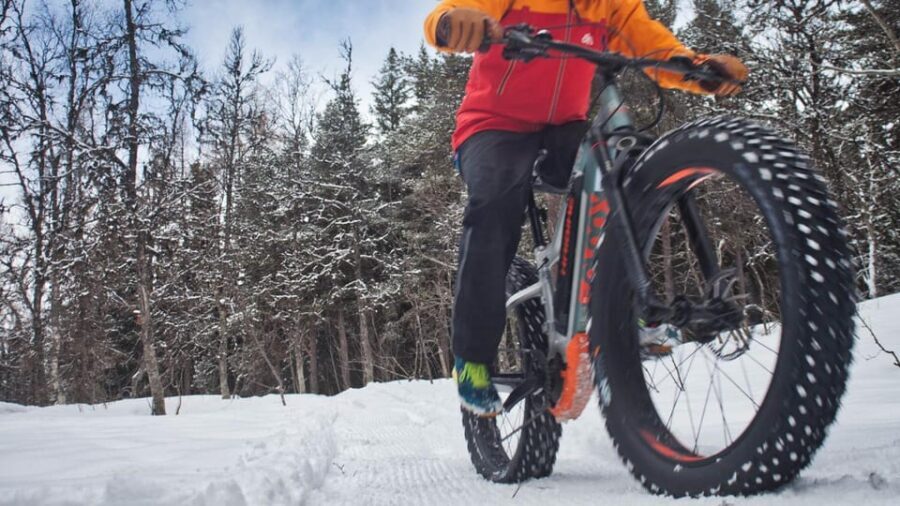
- Tromsømarka riding: city edges, then forestry trails made for winter cycling
- Fat E-bikes with stability: extra grip from wide tires and added spikes (when needed)
- Small group (max 6): you’ll get real help, not a rushed demo
- Hot drink + lefse: a local sweet that fits the season and the pace
- Winter-light ready: headlight included when needed, plus bike lights and headlamps if it’s dark
- English guide: tailored pacing based on fitness, cycling skill, and weather
From city lights to Tromsømarka winter paths
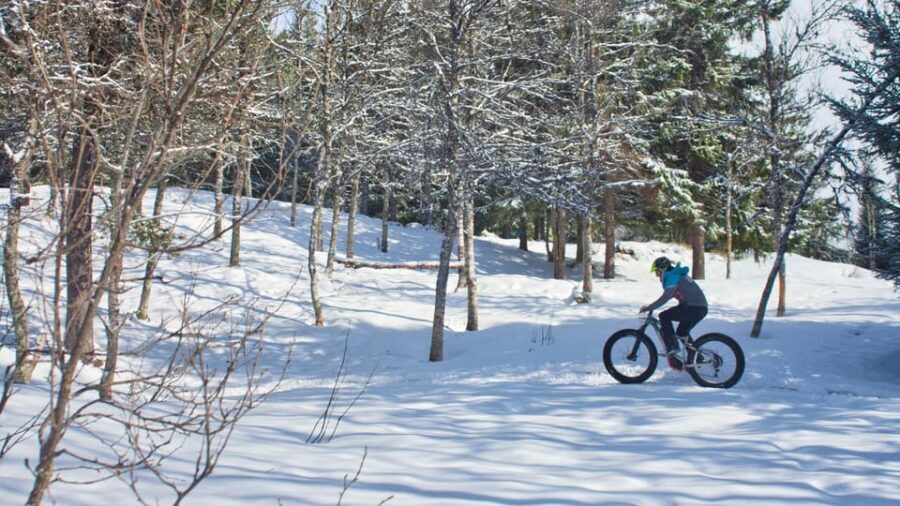
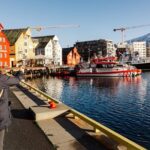
Tromsø has a way of feeling close to the Arctic and far from it at the same time. One moment you’re near the city center; the next, you’re rolling along compacted winter routes where the air goes crisp and quiet. That shift is the point of this trip.
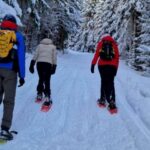
The ride has two big vibes. In town you get an easy warm-up on roads, then you gradually move into Tromsømarka, the forestry areas stretching across the city. Out there, the world feels more open. You’ll see high peaks in the distance, and it’s easy to understand why people describe it as stepping into a different world once the city falls behind.
For me, the best part is that the tour balances fun with control. You’re active outside for 3 hours, but the guide adjusts the plan to match your comfort level and the snow and light conditions that day.
A few more Tromso tours and experiences worth a look
Meeting at Tromsø Outdoor and getting ready in real winter style
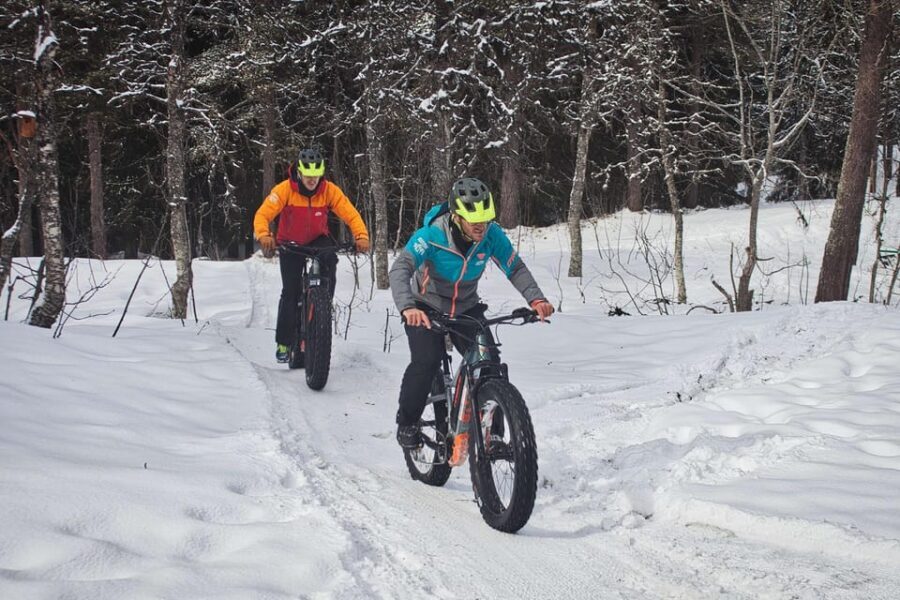
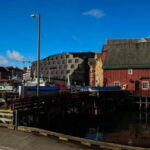
The tour starts and finishes at Tromsø Outdoor, right in Tromsø’s city center, near where you’ll find most hotels and restaurants. Plan to arrive 10 minutes early, because you’ll want time to get set up without rushing.
You’ll meet your guide outside the rental and activity center, then you’ll get kitted out with:
- fat E-bike
- helmet
- gloves
- (when needed) a headlight
- and the small but important extra: the guide helps you set up the bike correctly before you ride
What you should bring is straightforward, but don’t underpack. You’ll be cycling in weather that can change quickly. Bring warm clothing, a wind/waterproof layer, extra warmth (an extra jumper works), winter gloves, a hat, warm shoes, sunglasses, and sunscreen. Yes, sunscreen. Snow can throw light back at you, and your eyes and skin will notice.
If you didn’t plan for winter boots and layers, you can rent them from the rental center ahead of time. (Service fees apply.) I’d treat that as a practical safety move, not just a convenience.
How the fat E-bike setup makes winter riding less scary
This is not a “hop on and hope” style tour. The guide shows you how your bike works and helps you get comfortable before you head out.
Winter makes two things tricky: traction and control. That’s why fat tires matter here. Wider tires help you stay stable on snow, and the bike setup is designed for winter grip. In one standout review, the rider specifically noted secure grip from the tyre width and pressure plus additional spikes, and they described the motor as more than adequate for climbs even on Eco settings.
The way the motor supports you is a big deal. You still pedal, but you’re not fighting every small hill or soft patch. If you want a calmer ride, Eco support helps. If you hit a section where you want extra push, higher levels are there. The point is that you don’t have to be an athlete to keep moving.
Also, because this tour is small (max 6), the guide can watch how you handle turns, starts, and braking. That’s where confidence grows fast—especially if you’ve never ridden a bike in snowy conditions.
The winter route: roads, compact groomed trails, and light when it fades
In winter, the route shifts from summer cycling trails to surfaces built for winter cycling. You can expect cycling on:
- roads
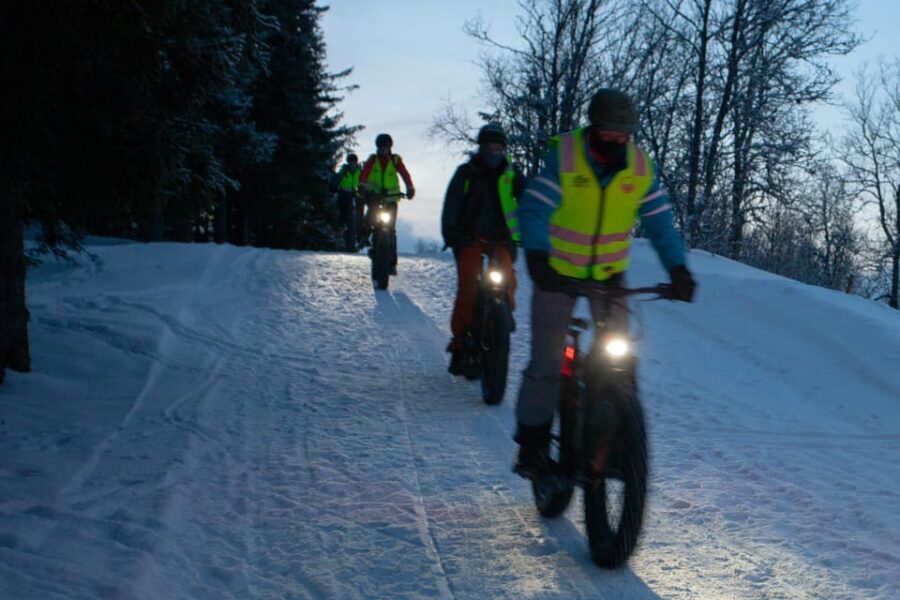
- compact, groomed trails prepared for bike use
Those groomed paths are a key value. They make the experience safer and more enjoyable because you’re not breaking through deep, unpredictable snow for the entire ride.
Lighting is the other major winter factor. If the timing works out so there’s not enough light, you’ll use headlamps and bike lights. A headlight is included when needed, so you’re not trying to figure out winter visibility on your own.
If you’re thinking about photos, plan for a few moments of slow-down. High peaks in the distance and the clean geometry of snow paths make great scenes, but the ride stays active. You won’t be sitting around for long stretches.
And if your group finishes early or has extra energy, there can be room for an additional loop. One review mentioned that after they had time left, they did an extra round along more beautiful spots. That’s not something I’d count on, but it’s a good sign that the schedule can be flexible.
What the guide actually does: pacing, technique, and Arctic life talk
The guide is the difference between a bike outing and a real winter experience. You’re not just handed a bike and sent off into the cold.
First, pacing. The tour is tailored to your group’s fitness level, cycling experience, and current weather conditions. That means the ride can be adjusted so you keep moving without turning the trip into a test. For riders who want more challenge, you’ll likely get help finding efficient lines and managing speed. For riders who need more comfort, the guide can slow things down and build skills step by step.
Second, technique and confidence. You’ll learn how to ride in wintry, snowy conditions, including practical habits like where to look on turns and how to stay balanced on different surfaces.
Third, the cultural and nature part. You’ll learn about local nature and ways of life above the Arctic Circle, not in a lecture-heavy way, but as context for what you’re seeing while you ride. In one detailed review, the rider highlighted their guide’s engagement and confidence when talking about local activities, history, and culture, and they noted the guide’s friendly approach and open sharing of life experiences.
English is the working language, and with a maximum group of 6, you can actually ask questions instead of shouting over a crowd.
The warm break: hot drink and lefse near the right moments
A good winter tour understands a simple truth: your body needs warmth at the right time. This one builds that break into the experience with a hot drink and locally produced lefse.
Lefse is a traditional Norwegian sweet flatbread, and having it during the ride makes sense. It’s warm, it’s filling, and it feels seasonal without being too heavy. It also gives you a real pause from the cold that doesn’t kill the momentum of the ride.
The lefse used comes from Tove’s Tradisjonsmat, about 40 km from Tromsø. That small detail matters because it ties the snack to the region instead of treating food as an afterthought.
If you’re the kind of person who worries about eating in cold weather, this is where you’ll appreciate having the snack handled for you. You can focus on riding, knowing there’s a scheduled warm moment.
Price and value: what $186 includes in winter competence
The price is $186 per person for a 3-hour guided ride. That can sound like a lot at first, until you look at what’s included.
Your ticket covers:
- fat E-bike (the core experience)
- helmet and gloves
- hot drink and a local pastry (lefse)
- a guide
- headlight when needed
You’re also buying something harder to price: winter riding support. In snowy conditions, the guide’s setup, pacing, and confidence-building help can make the difference between feeling comfortable and feeling stressed.
It’s also a small-group activity. Max 6 riders means you get actual attention. That improves safety and enjoyment, especially if some people in your group are less experienced cyclists.
If you were to rent an e-bike on your own, you’d still be dealing with weather, light, and finding the right winter routes. Here, the bike and the route logic are handled, and you also get the story of Tromsømarka and Arctic life during the ride.
Who should go, and who should skip this one
This tour is best for adults and teens who want real winter outdoor time without doing it alone. It’s designed for people who can ride a bike and can handle snowy conditions.
It’s not suitable if you:
- can’t ride a bike
- have mobility impairments
- are under 12 years
- are under 150 cm (4 ft 9 in)
- are over 110 kg (243 lbs)
If you’re comfortable riding a bicycle and you pack warm layers, you’ll probably love it. It’s also a good choice if you want something more active than a city stroll but less intense than a long hike.
If you’re visiting Tromsø mainly for scenery and want a different angle on winter, this adds motion to your photos. If you want an easy day with lots of time sitting indoors, this may not fit.
What to pack so the cold stays a background detail
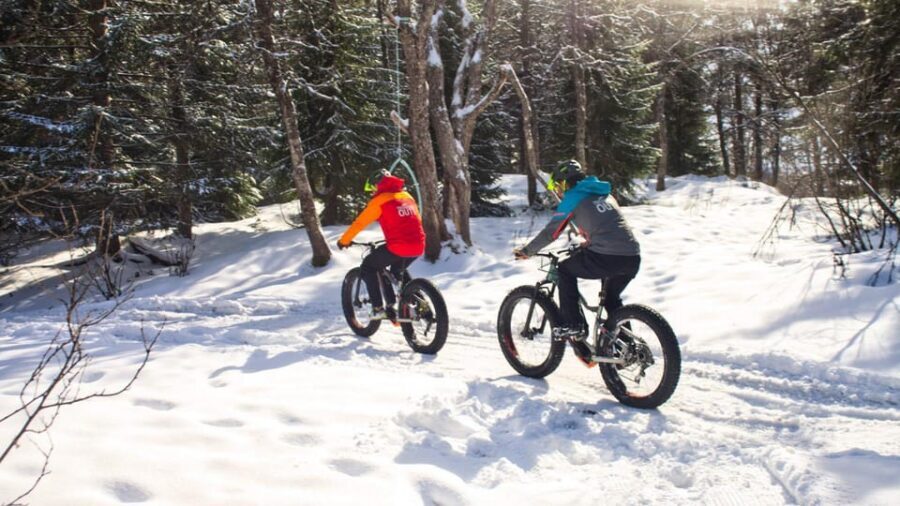
Winter gear is the unglamorous but essential part. You’ll ride for 3 hours in December through March, when weather can shift quickly.
Bring:
- warm clothing (layering is key)
- wind/waterproof outer layer
- extra jumper
- warm shoes / winter boots
- gloves and a hat
- sunglasses
- sunscreen
You can also bring a small backpack if you want space for personal items, but keep it simple. Focus on staying warm and dry rather than carrying extra stuff.
If you’re arriving with summer gear and basic winter jacket, consider renting boots and winter clothes in advance from the rental center. (Let them know before the tour if you want to book rentals.)
One practical tip: sunglasses aren’t just for looks. Snow glare is real, and you’ll want your eyes protected so you can enjoy the ride.
Should you book Tromsø Outdoor’s electric fatbike trip?
If you want a winter activity that combines real outdoor time, local guidance, and a warm break with food, I’d book this. The $186 price makes sense because it bundles the bike, safety gear, lighting help when it’s dark, and the guide who keeps the ride smooth.
You should especially consider it if:
- you’re curious about Tromsømarka and how life works above the Arctic Circle
- you want to try winter cycling without figuring it out alone
- you like guided experiences but hate feeling rushed
- you’re comfortable doing 3 hours outdoors in cold weather
Skip it if you don’t ride bikes regularly, need mobility accommodations, or you’re unsure you can handle snowy conditions even with an electric assist. Also be honest about your winter clothing. This tour can be great, but your comfort depends on you bringing layers—or renting the right ones.
If you’re on the fence, treat it like this: the electric fatbike lets you access snowy places without turning your day into a struggle. Add the small group guide, the lefse and hot drink break, and the winter route planning, and you get a very practical way to experience Tromsø in its cold-season rhythm.
FAQ
How long is the Tromsø electric fatbike trip?
It lasts about 3 hours.
Where does the tour start and finish?
It starts and finishes at Tromsø Outdoor in the city center of Tromsø.
What is the meeting time?
The guide meets you outside Tromsø Outdoor about 10 minutes before departure.
Is there an English-speaking guide?
Yes. The live guide speaks English.
What kind of bike do I ride?
You ride a fat E-bike designed for winter paths, and you’ll be given help setting it up and learning how it works.
What winter riding surfaces do you use?
In winter, you cycle on roads and compact, groomed trails prepared for cycling.
What’s included in the price?
The tour includes the fat E-bike, helmet, gloves, a hot drink, local pastry (lefse), a guide, and a headlight when needed.
Do I need to rent winter clothes or boots?
Winter clothes are not included, but winter clothing and boots are available for rent from the rental center if you book in advance (service fees apply).
When does the activity run?
It runs from 1 December to 31 March.
Is it canceled for bad weather or if I change plans?
You can cancel up to 24 hours in advance for a full refund. Free cancellation depends on booking terms, and availability for last-minute discounts can be limited.