REVIEW · TROMSO
Tromsø: Cross Country Guided Skiing Course
Book on GetYourGuide →Operated by Tromsø Adventures AS · Bookable on GetYourGuide
Skiing in Arctic blue hour beats photos. This Tromsø cross-country course mixes hands-on langrenn instruction with route stops around Tromsøya and frozen viewpoints for mountain and fjord views, plus a warm toddy with Norwegian sweets to reset after effort. The guides you may meet, like Sissel and Elias, are known for clear teaching and steady confidence-building.
One thing to plan for: it’s not a slow stroll. Even with beginner focus, you’re learning balance and gliding, so it can feel like a real workout, and you may need to go at your own rhythm when the group pace picks up.
The good part for first-timers is how simple the start is. You meet at Charlottenlund Aktivitetspark, get skis/poles/boots, and you’re taught in English or Norwegian, with gear that fits shoe sizes up to 47.
In This Review
- Key things to know before you go
- Langrenn done right: technique first, views second
- Charlottenlund Aktivitetspark: easy start, easy logistics
- Tromsøya segment: photo stop, guided trail time, and wildlife spotting
- Prestvannet Lake break: warm toddy, sweets, and a body reset
- Back on Tromsøya for sunset/sunrise: the blue-hour payoff
- What you actually get for $99: gear, coaching, and time in motion
- Gear and clothing: don’t freeze your learning
- Pace, group fit, and who this course suits best
- Guides matter: patience, clear English, and photo help
- Should you book this Tromsø cross-country skiing course?
Key things to know before you go
- A beginner-first langrenn lesson that walks you through balancing, gliding, and moving on winter terrain
- A route built around your group, with frequent stops so you can catch your breath and take photos
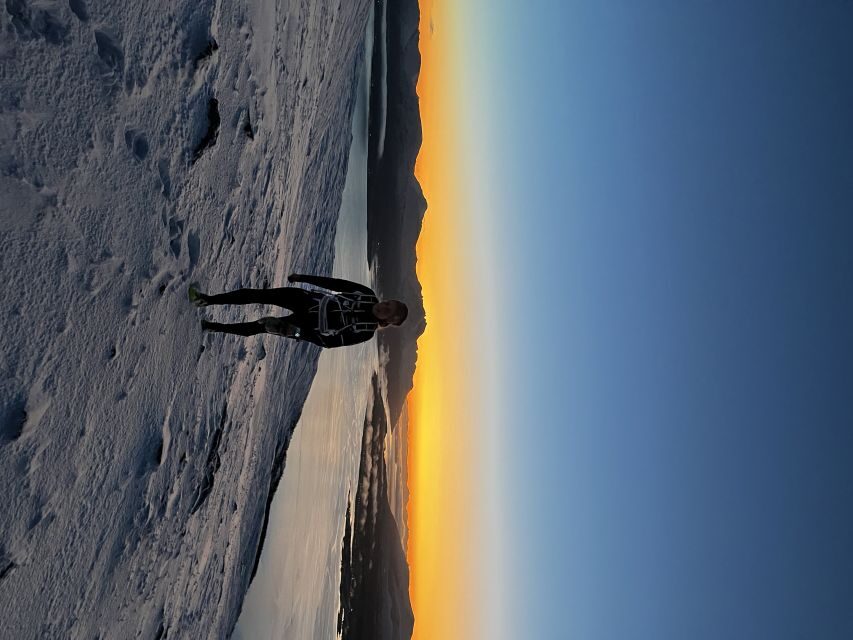
- Blue-hour timing near Tromsøya, including sunset/sunrise moments when conditions allow
- Warm drink + local sweets during the tour, not just at the end
- Guides who stay patient (people repeatedly note how supportive they are with slower learners and kids)
Langrenn done right: technique first, views second
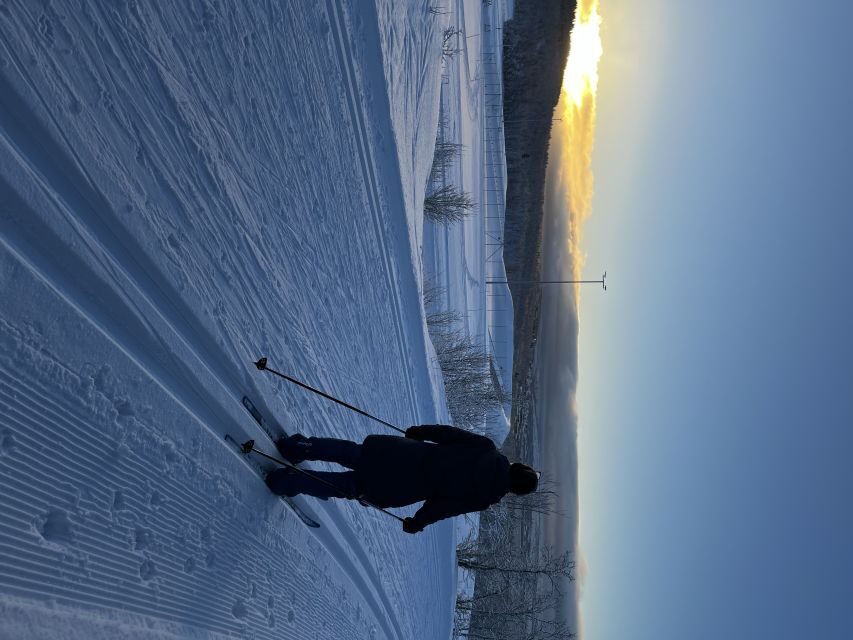
Cross-country skiing in Norway has a reputation for looking effortless. Then you try it and realize it’s more like training your whole body to glide. That’s exactly why this course works for most people: you don’t just get dropped on skis and pointed down a trail.
You’ll learn the basics of langrenn in a practical order—balance, then gliding, then how to navigate when the track changes. The goal is not perfection. It’s getting you moving with control so the landscape of snowy trails feels friendly instead of random.
I especially like that the session builds in moments to practice, fall (yes), and try again. Cross-country skiing rewards small corrections. When the instruction is steady, you start to feel the rhythm faster, and the “first-timer wobble” turns into progress.
Other guided tours in Tromso

Charlottenlund Aktivitetspark: easy start, easy logistics
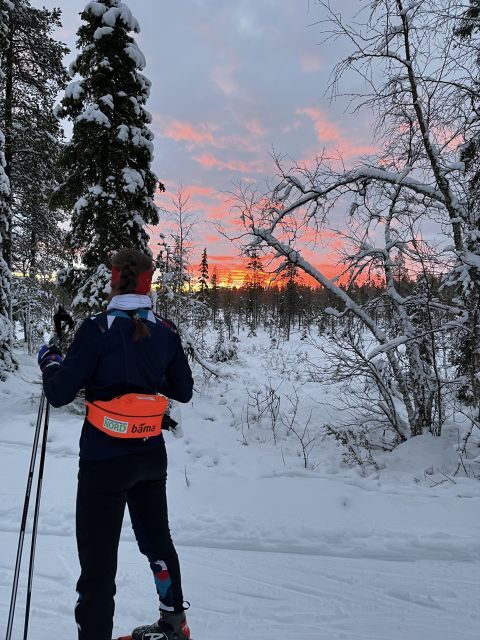
You meet at Charlottenlund Aktivitetspark parking on the main Tromsø island area, and the address given is Conrad Holmboes veg 89. If you’re driving, parking is free for participants. If you’re using public transport, take bus 26 to Skoglyst, then walk a short distance to the meeting point.
That matters more than it sounds. With winter activities, stress drains your energy. A close, clear meeting spot helps you show up warmed up and ready—especially if it’s your first time putting on skis.
You’ll also learn quickly what the course expects from you: bring warm clothing, and don’t wait until you’re cold to layer up. The cold hits faster when you’re learning technique and stopping frequently.
Tromsøya segment: photo stop, guided trail time, and wildlife spotting
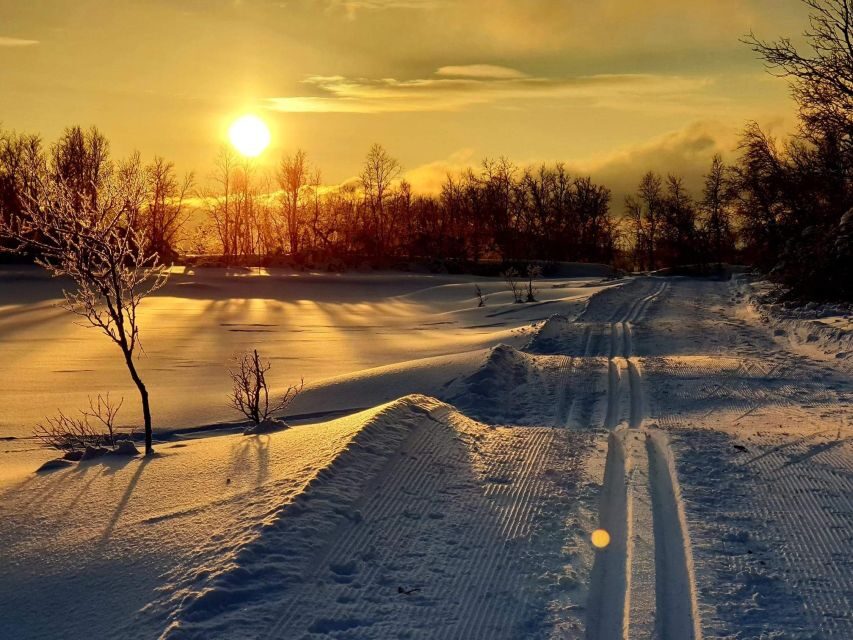
The first big block is about 75 minutes on Tromsøya. It includes a photo stop, guided tour time, and wildlife viewing (when animals are active).
This is where you get the “first real moving” part of cross-country skiing. Early on, you’ll be thinking about posture, weight shift, and not overstriding. The guide keeps things organized so you’re not stuck figuring it out alone.
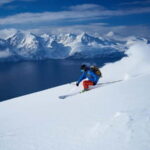
The photo stop isn’t just a break—it’s a chance to reset your bearings. In Tromsø, the visuals are a big part of the payoff: you’re working your way through snowy trails with mountain and fjord views in sight. If you can handle the first learning curve, this part is when the experience turns from exercise into scenery.
Possible drawback: wildlife viewing depends on the day. If you’re hoping for guaranteed sightings, you might find it varies with season and conditions. The course still gives you guided nature time even when animals stay hidden.
Prestvannet Lake break: warm toddy, sweets, and a body reset
After Tromsøya, you get a 15-minute break at Prestvannet Lake. This is the pause that beginner skiers need. By then, your legs have learned the basic motion, and your body will want warmth and a few minutes to catch your breath.
You’ll enjoy a warm drink (todd y) and Norwegian sweets during this stop. That’s more than a nice extra. When you’re skiing in winter, staying comfortable directly affects how well you keep practicing technique. Warmth helps you relax your grip, improve your balance, and keep going without spiraling into stiffness.
Prestvannet Lake also has a simple appeal: frozen water gives you a strong sense of place. You’re not just moving in snow. You’re skiing in a winter scene that feels distinctly Arctic.
If it’s a clear day, this break is when photos often look best. If it’s cloudy or windy, it still gives you a clean mental checkpoint before the last push.
Back on Tromsøya for sunset/sunrise: the blue-hour payoff
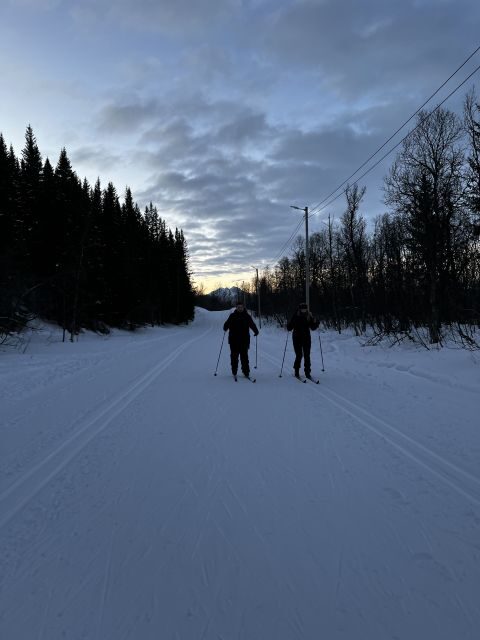
The final 1-hour Tromsøya portion includes another break, photo stop, guided tour, and time marked for sunset and/or sunrise, depending on timing and daylight conditions.
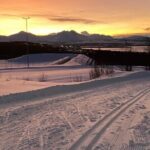
This is the part people talk about because it’s when Tromsø’s winter light turns magical. The course highlights the blue hour, that in-between time when the sky looks deep and cinematic and everything around you—snow, mountains, and fjord views—pops.
For first-timers, this segment can feel like a reward for learning. Your technique has usually improved since the start, so you’re less busy correcting mistakes and more able to enjoy the motion.
One practical note: don’t assume you’ll be effortlessly fast here. Even if some people glide smoothly right away, you’ll likely feel the pace controlled by the group’s comfort. If you need extra seconds to feel steady, tell the guide early so they can keep you included.
A few more Tromso tours and experiences worth a look
What you actually get for $99: gear, coaching, and time in motion
At $99 per person for a 2.5-hour session, the value is mostly about two things: time and support.
You’re not paying for a rental alone. Skis, poles, and boots are included, plus an instructor/guide and a warm drink and local sweets. That removes the friction cost that often ruins winter activities—people want to try, but they don’t want to guess at gear fit or spend hours figuring out what to bring.
The other big value is the instruction itself. Cross-country skiing is hard to learn from YouTube. Here, you get a guided flow: practice, feedback, then a scenic route segment. That’s what helps you leave feeling like you learned a skill, not just survived a cold afternoon.
Is it cheap? Tromsø can be pricey, and this isn’t a “budget” activity. But it feels like a fair trade if you’re new or if you want a safer start with coaching that actually addresses how you move.
Gear and clothing: don’t freeze your learning
The course provides skis, poles, and boots. You just need to show up prepared.
A few practical points that matter in Tromsø winter:
- You should wear layers you can adjust while you warm up.
- Bring a waterproof outer layer.
- Gloves and a hat are essential.
- Warm socks make a noticeable difference once you’ve been outside for a while.
Also, tell the operator your shoe size in advance. Gear can accommodate sizes up to 47, which helps a lot for bigger feet that many outfits struggle with.
If you only follow one tip: dress like you’ll ski for longer than you think you will. Learning takes more time in the cold, and you’ll thank yourself when you’re still comfortable during the breaks.
Pace, group fit, and who this course suits best
This experience is built for fun and learning, including families. Many guides are described as patient and attentive, especially with people who pick up technique slower.
But there are real constraints:
- Not suitable for children under 7
- Not suitable for people with altitude sickness
- Not suitable for people over 80
- Babies under 1 year are not suitable
Also, some feedback points to pacing. If your group is mixed, the speed can feel like it’s moving at the pace of the slowest skiers. That’s usually good for safety and inclusion, but it can still feel like work if you’re not used to winter exertion.
Who I think should book:
- Beginners who want structure and support
- Families who want a shared winter activity with scenic stops
- Anyone who loves the idea of skiing for views, not just training
Who might hesitate:
- People expecting an easy, casual walk in snow
- Anyone who hates being outside in cold weather even with breaks
Guides matter: patience, clear English, and photo help
One of the strongest themes from day-to-day experiences is instructor quality. You may meet guides such as Sissel, Elias, Tuva, Elen, Ine, and Ellen—and people consistently mention how clear and patient the teaching is.
This is especially important for cross-country skiing. The difference between progress and frustration often comes down to how quickly someone can explain the technique in a way your body understands.
A helpful detail: many participants say they could get help with different ability levels, and in some cases there are two coaches (or even more than one instructor working with the group). That extra attention can make a big difference when you’re learning balance for the first time.
There’s also a nice bonus option—if you want it. Some people note the guides can help with photos and videos if you ask. In winter, that’s a quality-of-life upgrade. You spend less time fumbling with a camera while trying not to faceplant.
Should you book this Tromsø cross-country skiing course?
If you’re choosing between a winter activity that’s mostly sightseeing and one that gives you a real skill, this course leans hard toward skill—without ignoring the views. For most first-timers, it hits a sweet spot: coaching, plenty of pauses, and blue-hour scenery.
Book it if:
- You want to try cross-country skiing with gear included
- You’re a beginner and want patient teaching in English or Norwegian
- You want a short, focused session with photo stops and a warm drink break
Skip it (or pick another option) if:
- You want something purely relaxed with no learning curve
- You’re very sensitive to cold exertion, or your health makes winter activity a bad match
If your goal is to leave Tromsø feeling like you did something genuinely Norwegian—while still enjoying the mountains and fjord light—this is a solid pick.