REVIEW · TROMSO
Whale Watching RIB Safari at Skjervøy
Book on GetYourGuide →Operated by See & Explore · Bookable on GetYourGuide
Orcas feel close in cold Arctic water. This Skjervøy RIB safari puts you in the chase zone off Tromsø, and I like that it’s run in a small group (up to 12). Best of all, you get serious cold-weather protection that turns the trip from survival mode into whale-watching mode.
One thing to plan for: it’s a long day because of the early start and bus ride to Skjervøy and back. If you dislike long coach transfers, you’ll feel it more than the cold.
In This Review
- Key things that make this whale RIB safari work
- Skjervøy RIB whale watching: why these waters keep paying off
- Tromsø to Skjervøy: the bus plan you should actually picture
- Gear and warmth: how they help you survive the Arctic comfortably
- On the water: what the RIB safari feels like when whales show up
- The day’s flow: start, dress, safari, then head back
- Morning start and meeting
- Dressing up in Skjervøy
- The RIB safari itself
- Return
- Who should book this and who should skip it
- Price and value: is $251 worth it
- Meet the crew: what guides do beyond pointing at whales
- Should you book the Whale Watching RIB Safari at Skjervøy?
- FAQ
- Where does the tour meet if I start from Tromsø?
- Can I join if I’m already in Skjervøy?
- How long is the whale watching time on the water?
- What’s included with the tour for staying warm and safe?
- What whales might I see during the safari?
- What should I bring for the trip?
- Who is the tour not suitable for?
Key things that make this whale RIB safari work
- Local hunting grounds off Skjervøy: the area north and east of Tromsø is where whales feed on herring seasonally
- Serious Arctic gear included: flotation suit, life vest, warm boots, goggles, mittens
- RIB ride time depends on weather: you typically get about 2.5 to 3 hours on the water
- Respectful whale viewing: captains are careful about staying at a safe distance
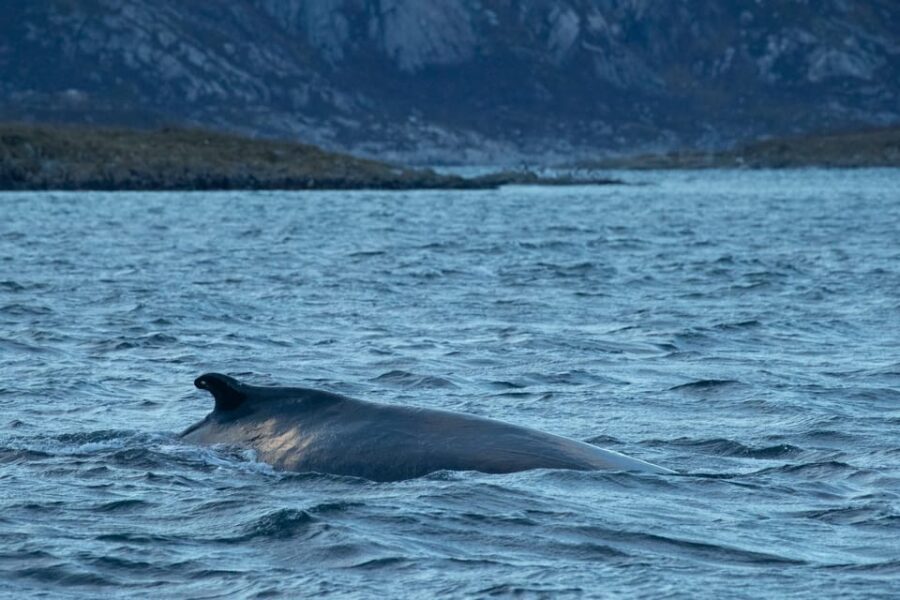
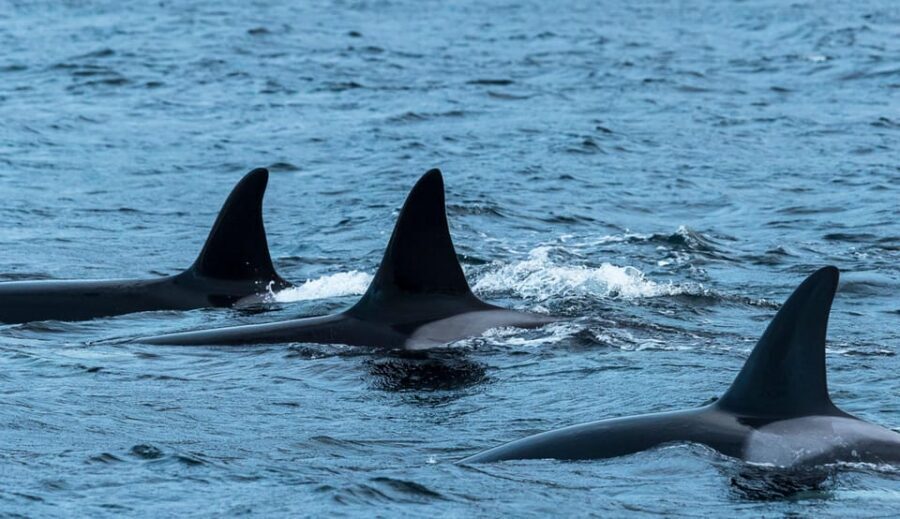
- High odds for multiple species: orcas, humpbacks, and fin whales are all possible
Skjervøy RIB whale watching: why these waters keep paying off
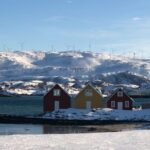
If you want whales in Norway, the question is not just where. It’s when and how the tour puts you in the right place fast. This trip runs in the sea areas off Skjervøy, north and east of Tromsø, which are known as hunting grounds. During the seasonal window from late October through January 26, 2025, whales migrate toward the coast looking for herring. That matters, because the whole safari is built around finding active feeding zones, not just drifting and hoping.
The other thing I like is the boat style. A RIB is quick and responsive, so the crew can reposition when they spot wildlife. In cold weather, that speed is also practical: you’re not stuck slow-pacing through wind and spray for hours. You’re out there hunting, then getting your best viewing passes when the whales show up.
Most importantly for your expectations: you’re not buying a guarantee of whales. You’re buying time, technique, and local knowledge stacked in your favor. The waters around Skjervøy can deliver up-close moments, and the trip’s structure is designed for that chance.
Other whale watching tours we've reviewed in Tromso
Tromsø to Skjervøy: the bus plan you should actually picture
You have two starting setups, depending on whether you begin in Tromsø or meet in Skjervøy yourself.
From Tromsø, you meet the group at the Prostneset Bus Terminal area (ground floor, behind the Magic Ice bar). The key detail is the transport: you take the big red bus (from Bussringen – Arctic Buss). The meeting point address is Samuel Arnesens gate 5, 9008 Tromsø, Norge. You’re asked to meet no later than 5:20 AM and then double-check with the driver before you settle in.
If you’re coming from Skjervøy on your own, you meet the guide there in Skjervøy. The day still centers on the same water-based safari, but you skip the long morning transfer.
Why this matters: the experience starts before dawn. Several people noted the ride can be long, and in practice you should plan for roughly three and a half hours to Skjervøy from Tromsø, plus the return. So yes, you’re getting a whale trip. You’re also signing up for a big chunk of sitting and waking up early. If you treat the day like a mission instead of a casual outing, it feels totally worth it.
Gear and warmth: how they help you survive the Arctic comfortably
Cold is not a side issue on this tour. It’s the whole equation. What I really like here is that the warmth tools are included, not optional.
When you reach the base in Skjervøy, you dress up with equipment before you head out. Included items are:
- Flotation suit
- Life vest
- Warm boots
- Mittens
- Goggles
You’ll also want your own basics: warm clothing, a hat, gloves (for layering options), and food. The tour information specifically calls out bringing warm clothing and gloves, plus food. If you forget, you’ll feel it fast.
A smart tip from real trip feedback: many people suggested glove layering. One person recommended thin gloves under the thicker mittens. Another noted they provided a second pair of socks, but a third pair might be helpful if you run cold. Also, at least one guide apparently helped with heated hand warmers, which is a great reminder: don’t assume your hands will magically be fine just because you have mittens.
If you’re prone to being chilled in winter, you’ll enjoy this tour more than someone who treats layering as optional. The goal isn’t to feel like a robot in gear. It’s to give you enough comfort that you can actually focus on watching whales instead of your fingers.
On the water: what the RIB safari feels like when whales show up
This is the heart of the day. After meeting the guide in Skjervøy and getting dressed, you go out for a 2.5 to 3 hour RIB safari. The exact time can change with weather, but the typical cruise length on the water is around three hours.
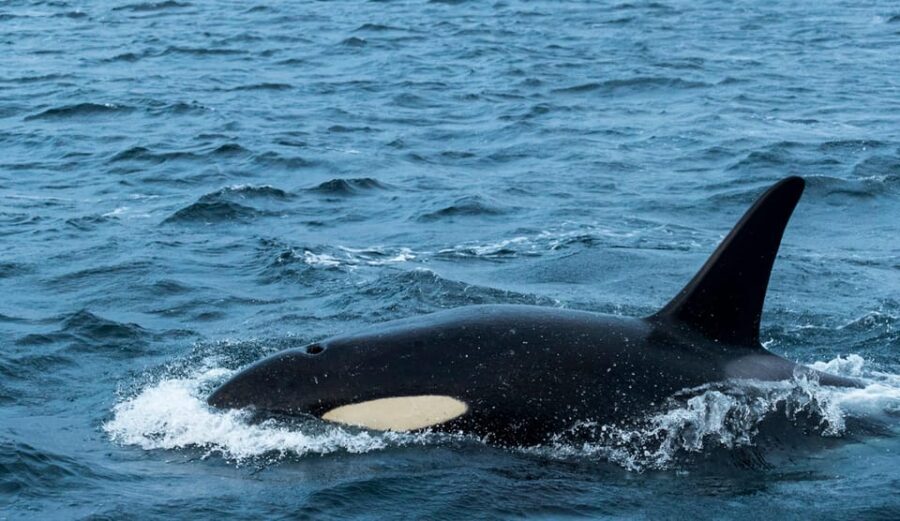
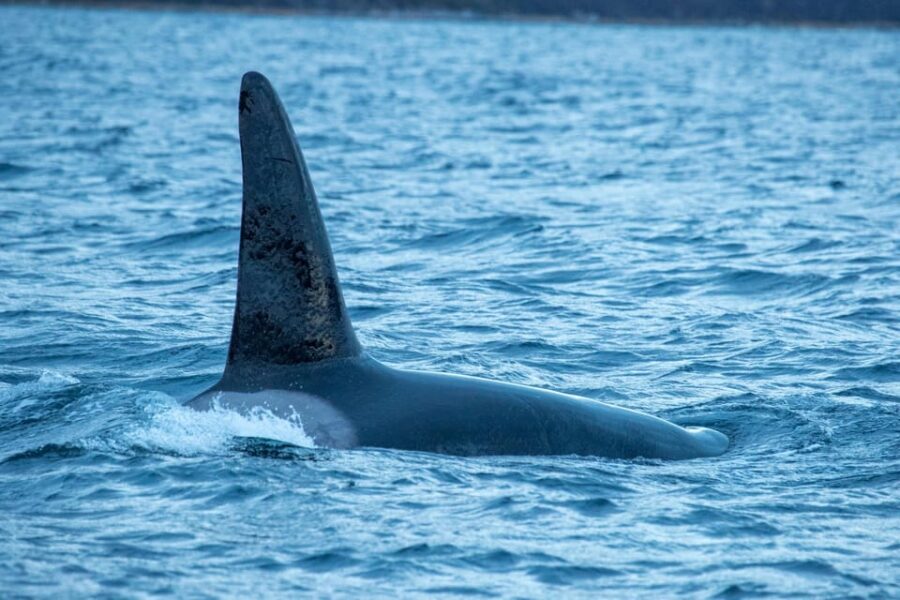
In simple terms, the crew searches the sea areas off Skjervøy. When whales surface, you get viewing passes from the RIB. You’re also in a high-speed platform, which changes how sightings look: it’s not slow and distant. It’s active and immediate. When people talk about orcas coming close or showing strong surface behavior, you’re hearing about this style of pursuit—again, within safe viewing rules.
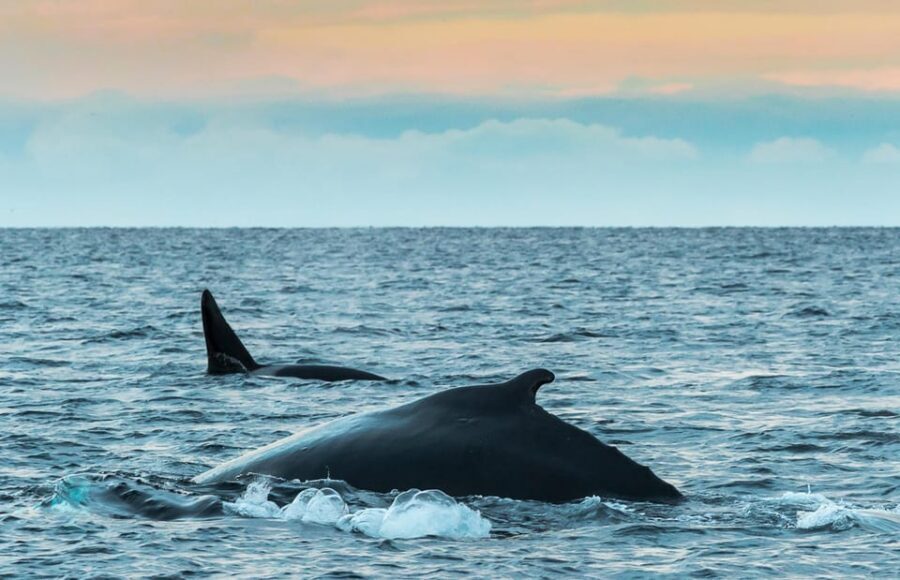
Species that have been spotted on these trips include:
- Orcas (killer whales)
- Humpback whales
- Fin whales
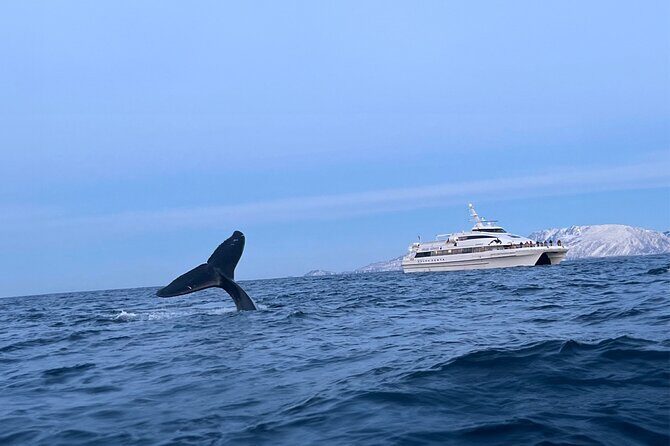
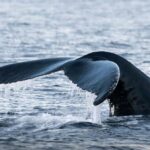
And not just quick surface taps. Some reports describe breaching, tail displays, pods with family groups, and even very young orca behavior. One person was lucky enough to see a fin whale plus orcas. Another had a pod of orcas and a humpback whale. The message I take from that: this is a good bet for multiple species in the same day when conditions line up.
A detail that affects your experience quality: the captain and guide are careful about distance. In feedback, the trip was praised for not chasing whales like some operations do. That’s not just a feel-good promise. It changes what you see. You’re more likely to get natural behavior and stable viewing angles rather than chaotic fast-moving interruptions.
Also, you’ll want your camera ready. People specifically mentioned Arctic photo-worthy views and dramatic whale moments. The tour uses the time to reposition so you can catch the best angles when whales are around.
The day’s flow: start, dress, safari, then head back
Here’s how the day typically runs once you’re committed to the Tromsø or Skjervøy start.



Morning start and meeting
If you’re joining from Tromsø, your day begins with an early meetup near Prostneset, and then you head toward Skjervøy. Expect time on a coach, plus the early wake-up factor. From there, you’re transported to Skjervøy where you meet the guide.
Dressing up in Skjervøy
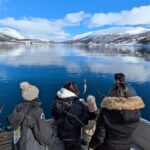
In Skjervøy, you get the cold-weather gear and then you’re ready for the RIB. This is where the included kit pays off. If you’ve ever been on a winter boat where everyone is freezing and nobody can focus, you’ll recognize the difference instantly.
The RIB safari itself
You spend about 2.5 to 3 hours on the water searching in the whale feeding areas. Weather can change timing, but the goal stays the same: find whales and keep you in the best viewing windows.
Return
After the water time, you go back to Tromsø if you booked the Tromsø option. The return ride can be warm, and at least one person warned that the bus back may feel very hot—so dress in layers you can manage.
One more thing: this tour is set up as small-group time. Limited numbers help with logistics on board and also reduce crowd noise, so you can actually hear the guide’s pointing and instructions when whales surface.
Who should book this and who should skip it
This isn’t a casual beginner outing, even if the guides make it easy.
It’s not suitable for:
- Children under 6
- Pregnant women
- People with back problems
- People under 150 cm (4 ft 9 in)
- People over 125 kg (275 lbs)
- People prone to seasickness
If you’re someone who gets motion sick easily, RIB boats can be tough. Even with flotation gear, your stomach may not agree. You’ll enjoy the experience much more if you know your body handles boats in choppy weather.
Who it fits well:
- You want high-energy whale watching, not a slow drift
- You love wildlife and want a serious cold-weather day with gear support
- You’re okay with a long day from Tromsø, including early departure
Also, if you come as a pair or small group, you’ll feel the benefit of that limited capacity. It’s easier to stay organized, find your viewing spots, and keep your gear situation handled.
Price and value: is $251 worth it
At $251 per person, this whale safari isn’t the cheapest option. But the value comes from what you’re paying for: transport time, local expertise, and cold-weather safety gear that’s genuinely part of the product.
What you get built-in:
- Bus transport from Tromsø to Skjervøy and back again (when you choose that option)
- Flotation suit, life vest, warm boots, goggles, and mittens
That means you’re not scrambling for winter boat gear. You’re not buying multiple layers of expensive rentals. And you’re not managing the whole operation yourself.
You’re also paying for the real reason people book these trips: time on a RIB searching whale feeding areas off Skjervøy. Several sighting-heavy days reported orca pods, humpbacks, and fin whales. Is that guaranteed? No. But the combination of local timing (herring season window is mentioned), vessel style, and small-group organization stacks the odds.
So here’s my practical take: if you’re already in the Tromsø region and you want a whale experience that feels active and guided, the price lines up with what you’re getting. If your idea is to save money at all costs, you might choose something else. But if whales are a top priority, this is solid value for Norway.
Meet the crew: what guides do beyond pointing at whales
Names show up in feedback, and that’s usually a good sign. People mentioned guides such as Ina, Ini, Iver, and Ivar, plus a captain referenced as Ila in one report. The common thread is that the guides focus on helping you be warm and informed, not just moving you around until the boat finds a whale.
You can also feel it in how the sightings are described: guides are attentive, they help with gear problems on the spot, and they try to keep you positioned for good viewing while respecting whale space.
For you, that translates into two benefits:
- Less stress when you’re cold and trying to stay focused
- More meaningful whale time, because the crew is actively reading what’s happening on the water
That’s the difference between seeing a whale photo moment and actually experiencing whale behavior.
Should you book the Whale Watching RIB Safari at Skjervøy?
I’d book it if your priority is real winter whale watching with strong odds for orcas and other species, plus a crew that takes comfort and safety seriously. The included cold-weather gear is a big deal, and the small-group setup makes the experience feel controlled rather than chaotic.
I’d think twice if you know you get seasick, you have mobility or back issues, or you strongly dislike early starts and long coach rides. This is a full Arctic day.
If you’re weighing it right now, here’s the decision shortcut I’d use: if whales are your main goal and you can handle a long morning and winter cold, this is a good bet. If you want something shorter, calmer, or easier on your body, you’ll probably feel happier booking a different type of excursion.
If you want the flexibility, the tour info also mentions free cancellation up to 24 hours in advance and a reserve now, pay later option, which is useful when weather and waves are part of the equation.
FAQ
Where does the tour meet if I start from Tromsø?
You meet at Prostneset Bus Terminal in Tromsø (ground floor, behind the Magic Ice bar). The meeting is described with an address at Samuel Arnesens gate 5, 9008 Tromsø, Norge, and you board the big red bus.
Can I join if I’m already in Skjervøy?
Yes. There’s an option for people coming to Skjervøy by themselves, where you meet the guide in Skjervøy for dressing up and then head out for the RIB safari.
How long is the whale watching time on the water?
The RIB safari is generally 2.5 to 3 hours, depending on weather.
What’s included with the tour for staying warm and safe?
Included items are goggles, a flotation suit, a life vest, warm boots, and mittens.
What whales might I see during the safari?
The tour highlights include orcas, fin whales, and humpback whales in the wild.
What should I bring for the trip?
Bring warm clothing, a hat, gloves, and food.
Who is the tour not suitable for?
It’s not suitable for children under 6, pregnant women, people with back problems, people under 150 cm, people over 125 kg, and people prone to seasickness.