REVIEW · TROMSO
Tromsø: Orca and Whale Watching comfort heated boat Trip
Book on GetYourGuide →Operated by Skua Nature Group · Bookable on GetYourGuide
Warm decks, cold seas, and real whale power. This Skjervøy day trip from Tromsø is built for wildlife watching and wildlife photography, with a captain and a nature guide searching the Barents Sea for orcas, humpback whales, and more. You’re on a covered, heated boat, so your focus can stay on spotting (and shooting) instead of freezing.
I especially like the swap from a typical bumpy RIB ride to a more stable, comfortable vessel. I also like the way the guide helps you photograph the action, including practical tips and support for getting the right direction and angles while you’re on the water. In feedback, names like Philip/Philippe and Captain Jacob show up as favorites for their enthusiasm and professionalism.
One thing to think about: it’s a long day. The water time is about 3 hours, but the full outing stretches to roughly 12 hours with about 4-hour transfers each way, so plan around that pace.
In This Review
- Key highlights worth showing up for
- Why the heated boat setup matters in Tromsø season
- Getting to Skjervøy: the day starts with the “long part”
- Skjervøy whale watching: 3 hours that can feel like the whole point
- How the captain and guide work together on a real search
- Photo tips for cold decks: what to bring and what to expect
- The animals you’re most likely to focus on
- Comfort details that prevent the “Arctic misery spiral”
- Itinerary pacing: transfers, timing, and how to make the most of it
- Who this tour suits best (and who should skip it)
- Price and value: what you’re paying for at $373
- Should you book this Tromsø orca and whale watching trip?
- FAQ
- Where does the tour start in Tromsø?
- How long is the whole trip?
- How much time do you spend on the water in Skjervøy?
- What’s included on the boat and bus?
- What languages are the guides?
- Is this trip suitable for kids or pregnancy?
Key highlights worth showing up for
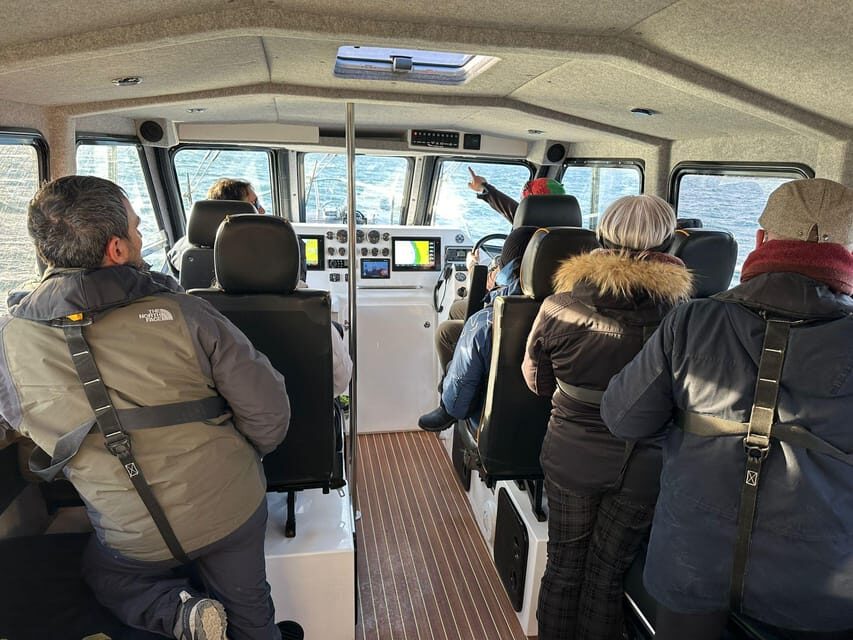
- Heated, covered boat + outdoor terrace: you can watch from the deck without hunting for warm shelter every few minutes
- More stability than common RIBs: easier on your body and helpful for steady photos
- Captain plus environmental guide: you get spotting help and context, not just a drive-by
- Photography coaching in real time: tips for camera settings and how to frame moving animals
- Hot drinks and onboard toilets: small comforts that matter when you’re out in Arctic weather
- Small group (up to 12): you’ll spend less time elbowing for views
Why the heated boat setup matters in Tromsø season
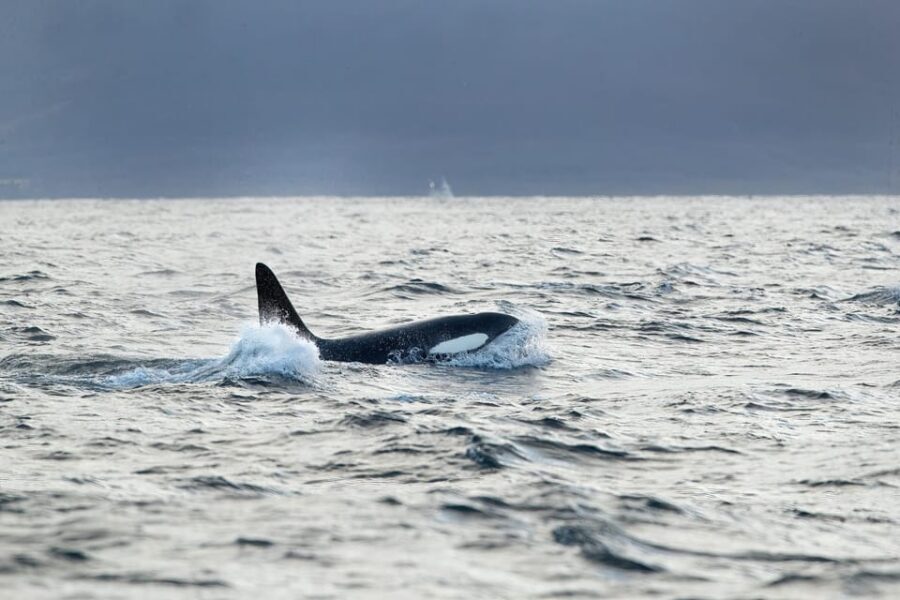
Tromsø wildlife trips live and die by comfort. In the Arctic, your body can lose interest long before the whales do, and a lot of time on the water is spent waiting for the right sighting. This tour handles that with a covered, heated boat and a warm cabin option, plus an outdoor terrace for unobstructed viewing.
Another smart choice here is stability. The boat is described as having better stability than traditional RIBs, and that translates into something you’ll feel fast: fewer jolts while you’re scanning the sea and trying to keep your lens pointed the right way. If you’re bringing a serious camera, steadier motion means fewer missed moments.
Also, this is not just comfort for comfort’s sake. The boat is designed for wildlife watching with space on the terrace, plus onboard features aimed at marine-life observation. It keeps you in the hunt instead of constantly retreating indoors.
Other whale watching tours we've reviewed in Tromso
Getting to Skjervøy: the day starts with the “long part”
The tour runs as a full-day format, and the schedule reflects that. You start at Samuel Arnesens gate 5 and board the RED bus (Arctic Route) from the bus terminal area. Then you’re looking at about 4 hours of transfer through Northern Norway before you reach Skjervøy.
Here’s the practical angle: those hours aren’t wasted if you use them well. The bus includes Wi-Fi, plus USB and charging points, and even a toilet onboard, so you can keep your devices powered for photos and maps. You’ll also get time to review your camera setup, battery situation, and your plan for the deck time when you finally arrive.
When you reach Skjervøy, you don’t just step off and go. The instructions say the Arctic route bus makes two stops, and you should get off at the second stop near Maritim Hotel and Skjervøy Kystrutekai. From there, you head to the Skua Hub departure point at the pier. It’s the kind of small detail that avoids stress when you’d rather be watching the water.
Skjervøy whale watching: 3 hours that can feel like the whole point
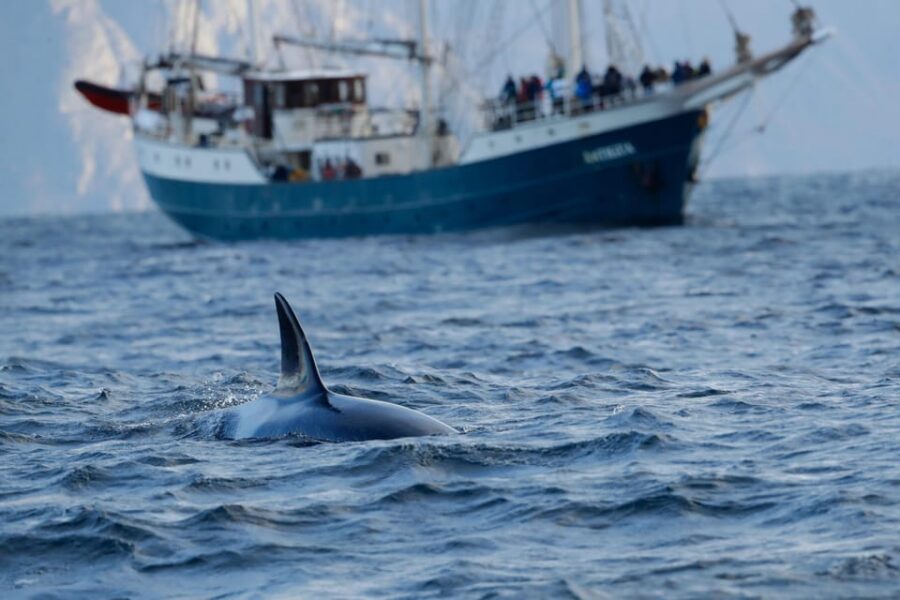
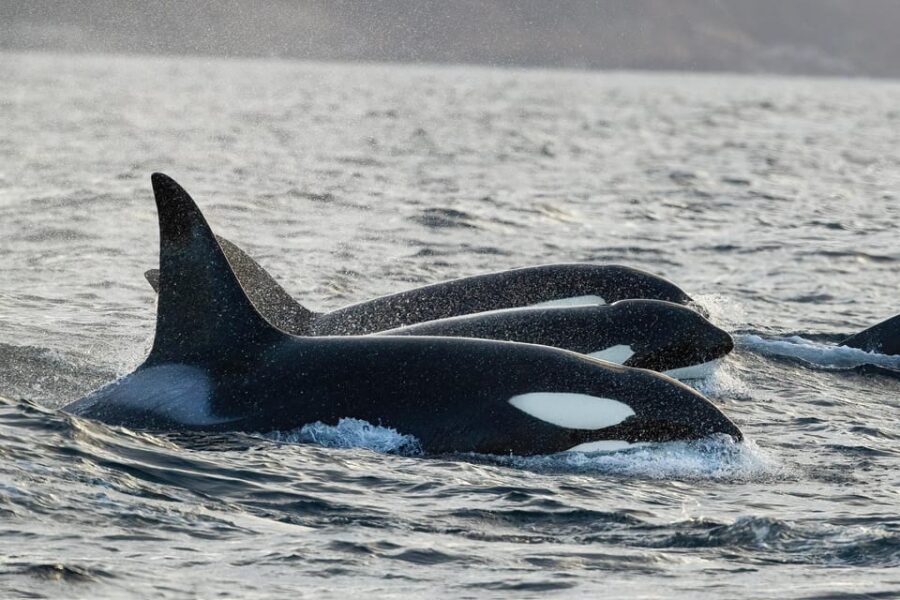
Once you’re on the pier in Skjervøy, the tone changes. You’re heading out on a 3-hour boat cruise in search of whales like orcas, humpback whales, and others including minke and fin whales. The boat is covered and heated, which is a huge help when the Arctic weather does what it wants.
The deck setup is worth calling out. There’s a spacious outdoor terrace, so you’re not stuck behind glass, and you can reposition for better angles while you scan for blows or surface activity. When animals move fast, that freedom of movement matters.
You’ll also get hot drinks onboard. That sounds small, but in cold weather it’s morale support. It also gives you a reason to pause and look again once you’ve warmed up.
How the captain and guide work together on a real search
This isn’t a passive cruise. The combination of an experienced captain and an environmental tour guide is part of what makes the hunt feel more structured. You’re not just hoping for luck; you’re learning how spotting and movement patterns work in this ecosystem.
The guide role is especially valuable if you care about photography. You get photography tips and insights, and in real feedback the guides are praised for actively suggesting the direction of whales early on, then even going to a second place to improve chances of closer sightings. That’s exactly what you want to hear: not just information, but adjustments based on what’s happening out there.
In practice, it means you’ll spend less time staring at the horizon with a guessing game vibe. You’ll have something to do—track, frame, follow cues—and that makes whale watching more satisfying even on days when sightings aren’t constant.
Photo tips for cold decks: what to bring and what to expect
If you’re booking this for photography, you’re in the right category. The trip is described as the first wildlife-photography-focused experience with a comfortable heated boat, and the guide provides tips aimed at getting better results in Arctic conditions.
Start with the basics: bring a camera and extra batteries. In cold weather, batteries can drain faster, and you don’t want the moment you finally get a clean sighting to be the moment your camera dies.
Onboard, you’re not just watching whales; you’re also getting support for shooting them. Tips include guidance for where to position yourself and how to capture moving animals, and the deck gives you the physical setup to follow action instead of staying glued to one seat.
One detail I like: the boat includes onboard underwater cameras that can show marine life below the surface. It’s not the same as putting your own face in the water, but it can help you understand what’s going on when you’re only seeing a fin or a tail at the surface.
Other boat tours in Tromso

The animals you’re most likely to focus on
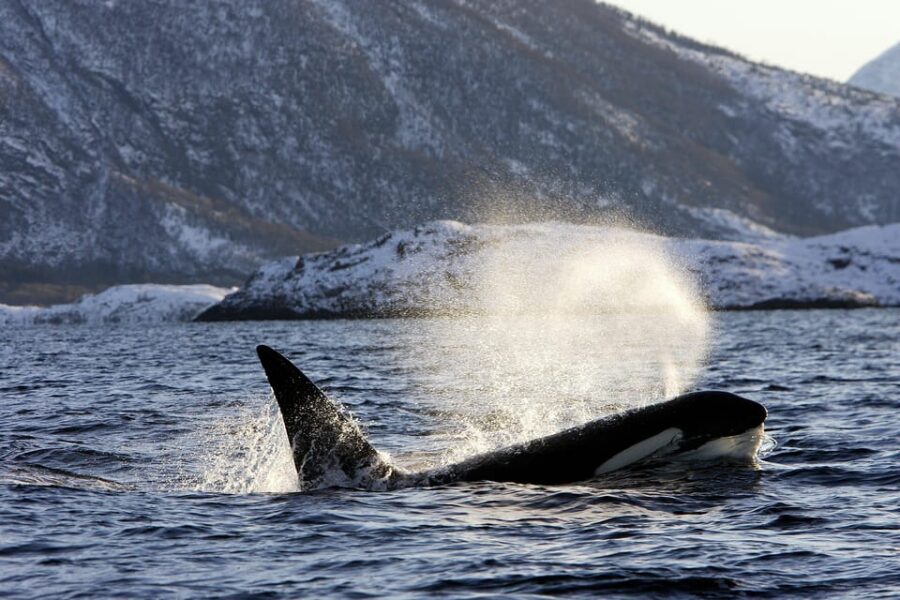
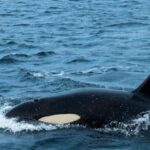
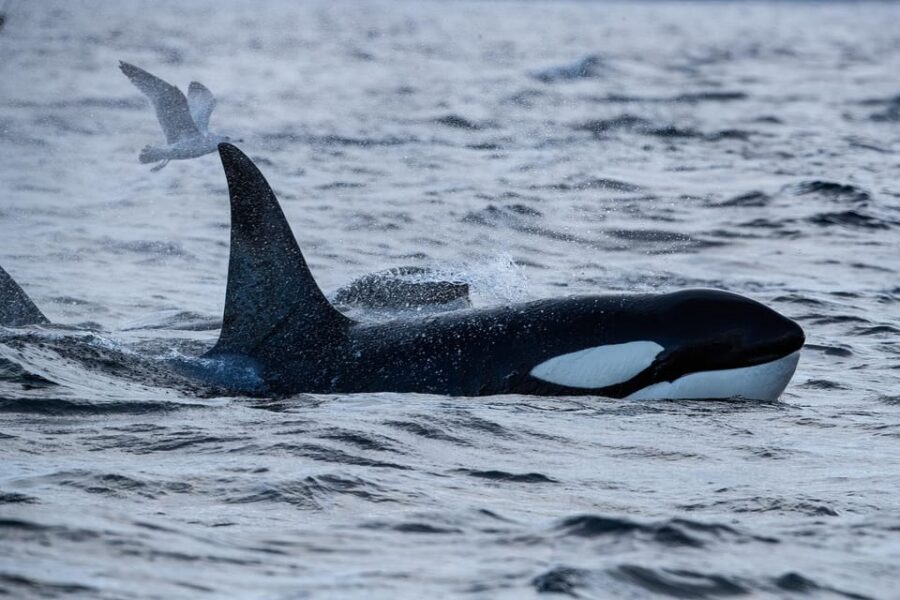
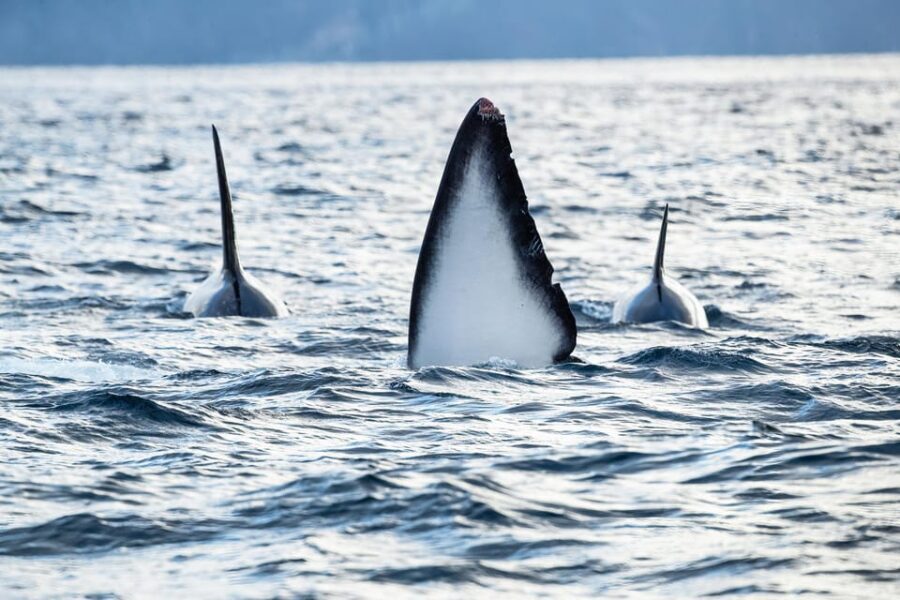
This trip is built around orcas and whales, with a realistic list of species you might spot. The tour is set up for orcas plus humpback whales, and it also mentions minke whales and fin whales as possibilities.
If you’re wondering what to watch for, think in terms of patterns: surface activity, blows, and movement direction. The guide’s job is to help you make sense of those cues so you’re not just waiting for something dramatic to appear out of nowhere.
You can also expect education beyond the checklist. The experience includes learning about behavior and habitat, and you’ll hear about how these animals use the sea. Even if you don’t memorize everything, it changes how you look at what you’re seeing—suddenly the trip feels less random.
Comfort details that prevent the “Arctic misery spiral”
A lot of whale watching is basically a weather test. This tour reduces the discomfort problem with practical choices.
- Heated cabin: You can warm up without missing the whole show.
- Covered boat: You’re sheltered while still getting views from the outdoor terrace.
- Toilets onboard: No long waits, no awkward improvising.
- Hot drinks: Warmth that helps your hands and head stay focused.
And the description makes one clear promise: with this covered boat, you don’t need special suits. That’s a big deal if you’re traveling light and don’t want to hunt for Arctic gear.
Still, I’d treat the trip like Arctic travel: dress for cold, but you won’t need the heavy suit scenario that some boat tours demand. If you’re a photographer, bring layers that let you move quickly from warm cabin to deck without doing a fashion show.
Itinerary pacing: transfers, timing, and how to make the most of it
Let’s talk about time, because this is where expectations can clash.
You start in Tromsø, then spend about 4 hours on the bus, arrive at Skjervøy, and have about 3 hours on the water. After that, it’s another 4 hours back. That totals roughly 12 hours of day-trip time.
So the “win” is that the boat portion is focused and concentrated. The “trade” is you don’t get to linger in Skjervøy or stretch the trip. If you like long wandering days, this one is a more direct format: transport, search, sail, return.
You can make that work by using the transfer time to prepare. Charge batteries, review your shot list (or at least your lens plan), and keep warm. Once you’re out on the water, you’ll want your mind clear and your camera ready.
Who this tour suits best (and who should skip it)
This is a small-group trip, limited to up to 12 participants, which makes it easier to move on the terrace and get moments without total chaos. The guide is described as operating in English and Italian, which is helpful if you want explanations and guidance rather than only narration.
This trip also fits a specific traveler style:
- You’re serious about whale spotting and want help, not just scenery
- You’re bringing a camera and want practical shooting tips
- You prefer a warmer, more stable vessel than typical high-speed zodiac rides
On the flip side, it’s not suitable for children under 6 and it’s not suitable for pregnant women. If either applies, you’ll want to look for a different format.
Price and value: what you’re paying for at $373
At $373 per person, you’re paying for more than “a boat ride.” The value comes from multiple cost drivers that often add up on Arctic trips: a scenic transfer from Tromsø, a heated and covered vessel, onboard toilets, hot drinks, and a two-person guidance structure (captain plus environmental guide). Add photography coaching, and you’re paying for expertise that improves your chances of getting both sightings and usable images.
Also, the small group size (12 max) tends to matter here. More people can mean more crowding on deck, and deck crowding is the enemy of good shots. This format aims to keep that under control.
Could you find cheaper whale watching elsewhere? Maybe. But if you care about comfort and getting real guidance for photography, this one spends its money where it shows: heated comfort, stability, and active search support.
Should you book this Tromsø orca and whale watching trip?
If your priority is orcas, whales, and photos without turning the day into an endurance event, I’d say yes. The heated, covered boat plus terrace viewing is the kind of setup that keeps you engaged, even while waiting for a first sighting. And the guide help—especially advice that supports framing and direction—makes the time on the water feel productive.
Book if you’re okay with a long day and understand that whale watching is still wildlife watching. Animals are never on a schedule, and weather can change the hunt. But this trip is designed to give you comfort and a better shot at meaningful encounters.
FAQ
Where does the tour start in Tromsø?
It starts at Samuel Arnesens gate 5. The meeting guidance says to take the RED bus (Arctic Route) from the Bus Terminal Prostneset platforms where the banner indicates Whale Route Skjervøy.
How long is the whole trip?
The full duration is listed as 12 hours, including transfers and the time in Skjervøy.
How much time do you spend on the water in Skjervøy?
You have about 3 hours for whale watching in Skjervøy, Norway.
What’s included on the boat and bus?
Included items cover a scenic bus drive with Wi-Fi, bus toilets, transportation in an air-conditioned bus, a covered and heated boat with toilet, the boat cruise with the captain and environmental tour guide, hot drinks, and photography tips and insights.
What languages are the guides?
The live tour guide is listed as English and Italian.
Is this trip suitable for kids or pregnancy?
It is not suitable for children under 6 years and it is not suitable for pregnant women.