REVIEW · TROMSO
Cross-Country Ski Lesson for Beginners in Tromso
Book on Viator →Operated by Tromso Outdoor AS · Bookable on Viator
The first time you skate and glide on snow is a real lightbulb moment. This beginner cross-country ski lesson in Tromsø turns a cold outdoor day into a clear, step-by-step learning session. I like that it starts from the ground up, including how to handle ski bindings and how to fall safely. I also love the practical progression: flat trail skills first, then small hills if you’re ready. The main consideration is that you must bring (or rent) proper winter clothing, because conditions in Northern Norway can change quickly.
This lesson is run for small groups (up to 8 travelers), so you’re not stuck waiting while everyone else catches up. Guides named Thomas, Joana, Marta, Leia, Cris, Heli, Lucas, and Mariam come through in past sessions, and the common theme is patience and clear instruction even when it feels awkward at first.
One more heads-up: this tour does not include extra protective gear, so you should come with realistic expectations about falls while you learn. The good news is the coaching focuses on the right way to practice, so you spend more time moving than worrying.
In This Review
- Key highlights that matter on the snow
- Cross-country in Tromsø: why this style of lesson works
- Meeting point and getting to the ski track near town
- Your first 30 minutes: bindings, falling the right way, and getting up
- Flat trails: walk, run, glide, and build confidence fast
- Small hills (optional): climb technique and safe sliding
- Gear, transport, and the hot drink plus lefse value math
- What you must bring: windproof layers and the sun in snowy Tromsø
- Safety and group realities: what this lesson does well
- How to make this work with the rest of your Tromsø trip
- Price, timing, and planning tips before you book
- Should you book this beginner cross-country ski lesson in Tromsø?
- FAQ
- How long is the cross-country ski lesson for beginners?
- What’s included in the price?
- Do I need to bring winter clothes?
- Where does the tour start and end?
- Do I need to provide my shoe size?
- What happens if there is no snow or conditions are poor?
Key highlights that matter on the snow
- Beginners-first teaching: bindings, falling correctly, and getting back up without panic
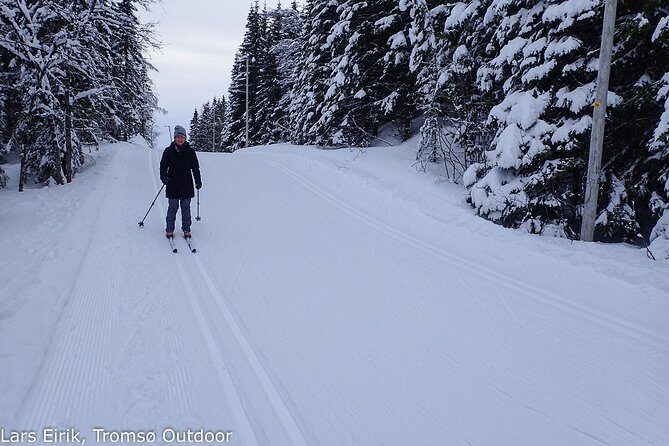
- Flat terrain practice first: walk, run, and glide on prepared trails
- Optional small hills: learn to climb and slide down when you’re ready
- Gear and transport included: skis, boots, poles plus a ride from Tromsø city centre
- Warm-up snack break: hot drink and local lefse, with some groups also enjoying blackcurrant tea
- Small group size: maximum 8 people for more individual feedback
Cross-country in Tromsø: why this style of lesson works
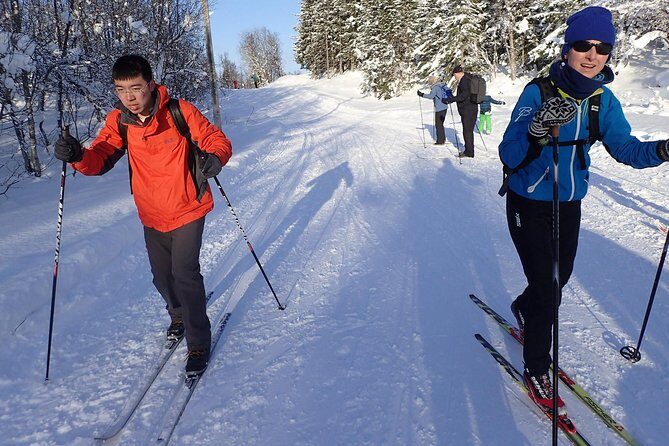
Downhill skiing can feel like a test right away. Cross-country is different. It’s more about rhythm, balance, and technique than speed, which makes it a great match for a first winter sport in Tromsø.
What I like about this setup is that it respects how hard the start can be. You’re taught the basics first, then you train the skills in the same order you’ll use them later: control your skis, move efficiently on flat ground, then add a bit of terrain when your body feels ready. That’s exactly what helps most beginners go from awkward shuffling to actual gliding.
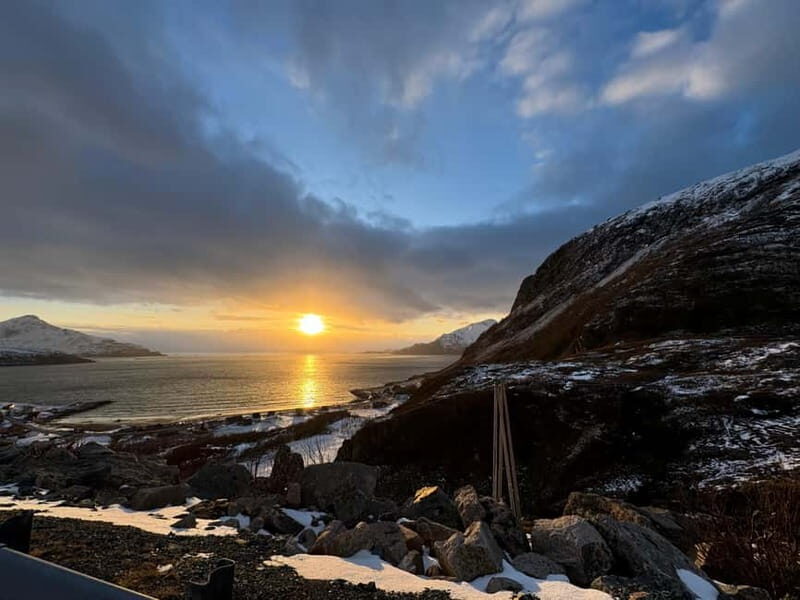
And Tromsø is a strong match for this kind of activity. You get scenic winter surroundings close to the city, so you’re not spending your whole day commuting before you ever get on skis.
Other cross-country skiing experiences in Tromso
Meeting point and getting to the ski track near town
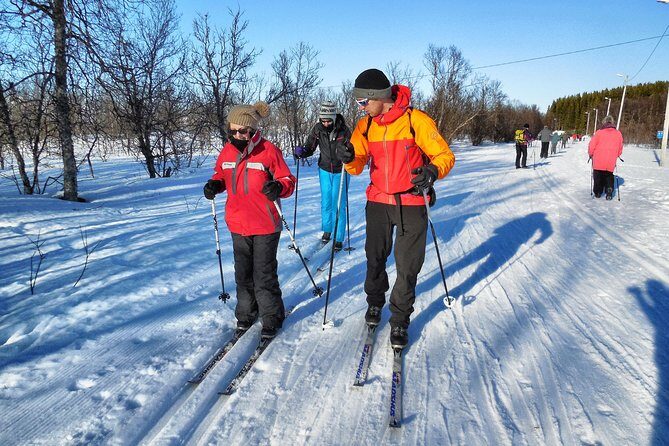
The tour meets at Fredrik Langes gate 14, 9008 Tromsø. It ends back at the same meeting point, so you don’t need to plan any extra transfers after your session.
One of the practical wins here is the included transport from Tromsø city centre. Multiple reviews describe the ride as short, with one person noting it was about a 10-minute drive to the start of the trail. That matters because you’ll stay focused on learning instead of burning energy waiting around or traveling long distances in cold weather.
Also, this is listed as being near public transportation. So even if you’re staying in a neighborhood that’s not right beside the meeting point, you should still be able to get there without drama.
Your first 30 minutes: bindings, falling the right way, and getting up
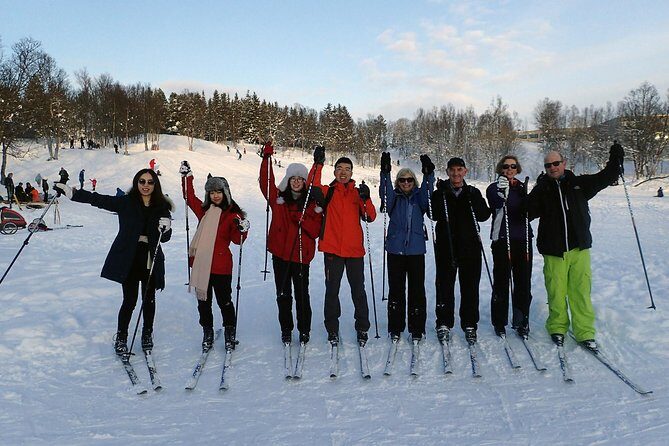
A lot of ski lessons skip the unglamorous parts. This one doesn’t. Early on, your instructor walks you through how to use your ski bindings, which is crucial for beginners. If you can’t trust your setup, you’ll spend your energy fighting equipment instead of learning movement.
Then comes one of the most useful lessons: how to fall in a way that reduces risk and how to get back up on your own. That sounds basic, but it changes everything. When you know what to do, the fear factor drops fast, and you’re more willing to practice repeatedly.
In past groups, guides like Thomas and Joana have been singled out for clear instructions and calm teaching. In other words, you’re not thrown out on skis and told to figure it out.
Flat trails: walk, run, glide, and build confidence fast
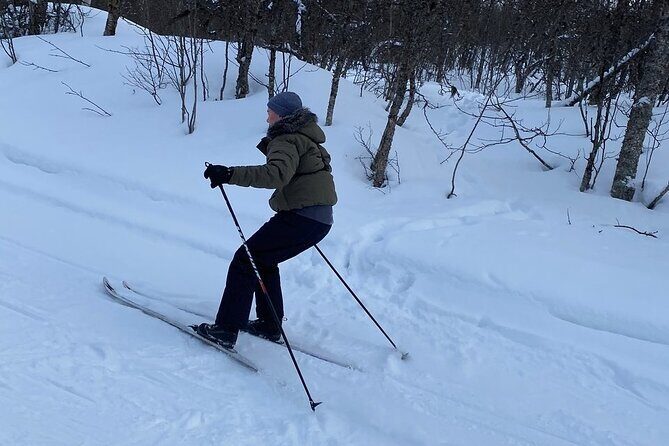
After the setup and safety basics, you shift to prepared, flat terrain. This is where the lesson earns its value, because flat ground is where you can learn without constant surprises.
You’ll practice movements that sound simple on paper:
- walking with skis on
- running with skis on
- gliding (the part that makes cross-country click)
This sequencing matters. Beginners often try to jump straight to gliding, and that’s when falls spike. By building control first, you get reps—lots of them—and your body starts to understand what the skis want you to do.
Another subtle win: skiing on flat trails is also a mental reset. Instead of feeling like you’re always going downhill or speeding up, you’re learning to manage your own balance. It’s a friendlier learning curve.
Small hills (optional): climb technique and safe sliding
Once you have some control on the flat trails, you may get the chance to try small hills. The lesson includes hill techniques like walking up and safely sliding down, but it’s framed as optional if you’re ready.
That’s a good approach for beginners. It lets the day match your comfort level. If you’re feeling steady, hills add variety and a new skill. If you’re still building confidence, you can keep practicing the foundation without forcing it.
This part is also where group size helps. With a maximum of 8 travelers, instructors can adjust on the fly—moving you to the right level at the right moment—rather than running a one-size-fits-all plan.
A few more Tromso tours and experiences worth a look

Gear, transport, and the hot drink plus lefse value math
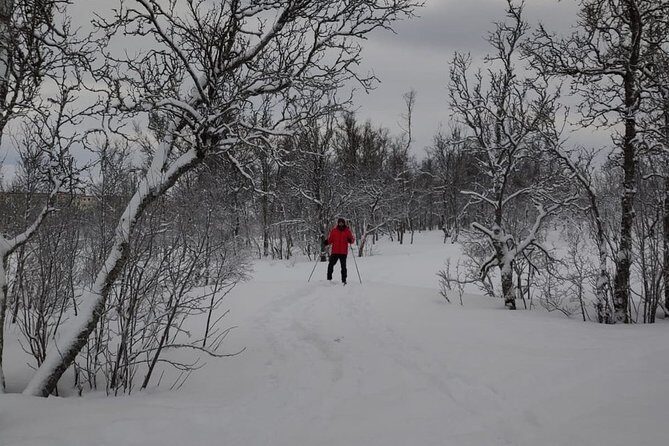
The price is $134.97 per person for about 3 hours. On paper, that’s not the cheapest activity. In practice, it becomes a much better deal because the lesson includes more than just instruction.
Included essentials:
- ski instructor
- transport to and from Tromsø city centre
- cross-country ski equipment: skis, boots, and poles
- a hot drink and lefse
If you’ve ever rented gear in winter, you know it can add up quickly. Here, you’re getting the full kit handed to you so you can focus on learning. Plus, you’re also paying for coaching time, which is the real differentiator on day one.
One extra thing that boosts the warmth of the experience: instructors often include a pause for something like blackcurrant tea (Solbærtee) in the middle of the session. It’s a small detail, but it helps you recharge before you do more technique work.
What you must bring: windproof layers and the sun in snowy Tromsø
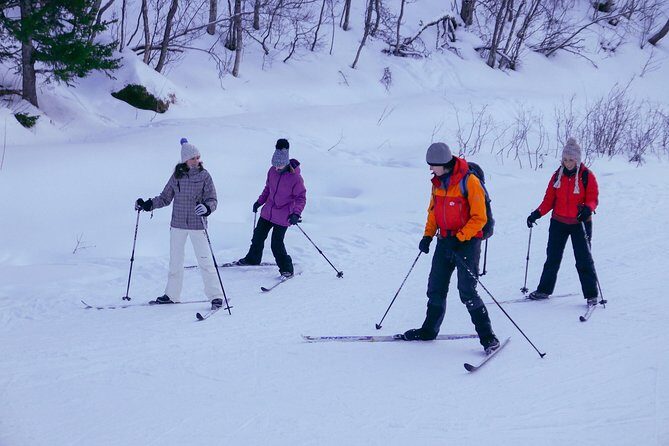
This tour is outdoors and the weather can change fast. You’re required to wear warm, windproof clothes. Winter clothing is not included in the price, but it can be rented separately from the Tromsø Outdoor Rental Center if you arrange it in advance.
Two practical reminders from the tour info:
- conditions can shift quickly in Northern Norway, so dress for the cold you might get
- from mid-February onward, the sun can be surprisingly strong due to snow reflection, so bring sunglasses and sun cream
Even if you feel cold at the start, cross-country skiing is physically demanding and you may warm up more than you expect. That’s why windproof outer layers and smart layering are the best strategy.
Safety and group realities: what this lesson does well
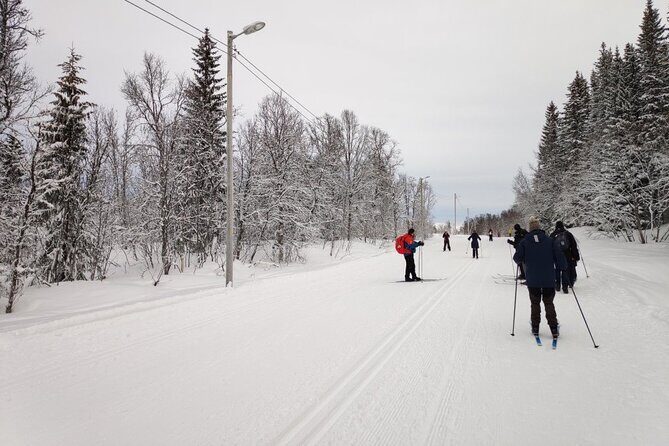
Safety here is handled through teaching and process. The instructor shows you how to fall and how to recover, which is often the biggest hidden safety issue for beginners.
One thing to know before you go: the tour does not provide additional safety equipment like extra protective gear. The rationale given is that it could create a false sense of security. Instead, the emphasis is on good instruction and quality equipment—skis, boots, and poles that meet safety standards.
The group size (max 8) also helps. In a larger class, beginners can get lost in the shuffle. In a smaller one, the guide can give quicker feedback, correct hand positions or posture, and spot issues before they become bigger problems.
If snow conditions end up being poor, the tour can run an alternative activity or offer a full refund. That’s not something you can control, but it reduces the chance you show up and lose the whole day.
How to make this work with the rest of your Tromsø trip
This is a great daytime activity if you’re also chasing the northern lights. It gives you a full “winter in Norway” experience without requiring you to be out all night.
What also makes this tour useful is what it sets you up for next. After the lesson, many guests feel confident enough to rent skis and practice further. That means you’re not just sightseeing for a couple hours—you’re building a skill you can repeat.
If you’re planning other winter tours (like animal or aurora-focused trips), this lesson fits well as the fun, active block that balances the schedule. It’s also described as relaxing compared to more intense sports, even though it’s still a workout.
Price, timing, and planning tips before you book
Here’s the practical tradeoff: you’re paying for a structured learning session plus equipment plus transport. That’s what makes it worth it for a first-timer.
A few planning tips that will save you headaches:
- Provide your shoe size in European sizing in the special requirements field, or your booking may be cancelled.
- Wear warm, windproof layers and plan for activity-level sweating.
- Expect some learning falls. The lesson is designed for it, and part of the coaching is how to handle it.
- The tour needs good conditions. If it’s cancelled due to poor weather, you’ll be offered another date or a full refund.
If you like, you can also schedule this with a buffer day. That gives flexibility if conditions shift or you simply want to repeat the skill-building afterward.
Should you book this beginner cross-country ski lesson in Tromsø?
I’d book it if you want a first cross-country experience that’s structured, small-group, and close to the city. It’s especially strong if you’re new to skiing and you appreciate a coach who focuses on foundations: bindings, falling safely, getting up, and steady flat-trail practice.
You might skip or switch plans if you hate any chance of falling and you’re not willing to dress for sudden weather. And because additional protective gear isn’t included, you should go into it accepting that the learning process includes bumps.
If your goal is to leave Tromsø feeling like you understand the basics well enough to keep going—by renting skis again later—this lesson is a smart start. It’s not just a scenic activity. It’s a skill-building block you can actually use.
FAQ
How long is the cross-country ski lesson for beginners?
The lesson runs for approximately 3 hours.
What’s included in the price?
The price includes a ski instructor, transport to and from Tromsø city centre, cross-country ski equipment (ski, boots, and poles), and a hot drink plus lefse.
Do I need to bring winter clothes?
Winter clothes are not included in the tour price. You can rent winter clothing separately at the Tromsø Outdoor Rental Center if you arrange it in advance. Warm and windproof clothing is obligatory due to fast-changing weather.
Where does the tour start and end?
The tour starts at Fredrik Langes gate 14, 9008 Tromsø, Norway, and ends back at the same meeting point.
Do I need to provide my shoe size?
Yes. You must advise your shoe size (European) in the special requirements field at check out, or the booking may be cancelled.
What happens if there is no snow or conditions are poor?
If there is no snow in the area, an alternative activity may be offered or a full refund of the tour costs will be provided. The experience also requires good weather, and if it’s cancelled due to poor weather you’ll be offered a different date or a full refund.